

Most of us don’t think about our heart until it gives us a reason to. A little breathlessness on the stairs, a family member’s sudden health scare, or a routine check-up that comes with a few unexpected numbers. The trouble is that high cholesterol is quiet. It rarely causes symptoms until it has been building up for years.
That’s why a lipid profile blood test is one of the simplest and most useful checks you can do for your long-term health. It takes a few minutes, needs only a small blood sample, and gives you a clear picture of how fats are moving through your body.
What Is a Lipid Profile Test?
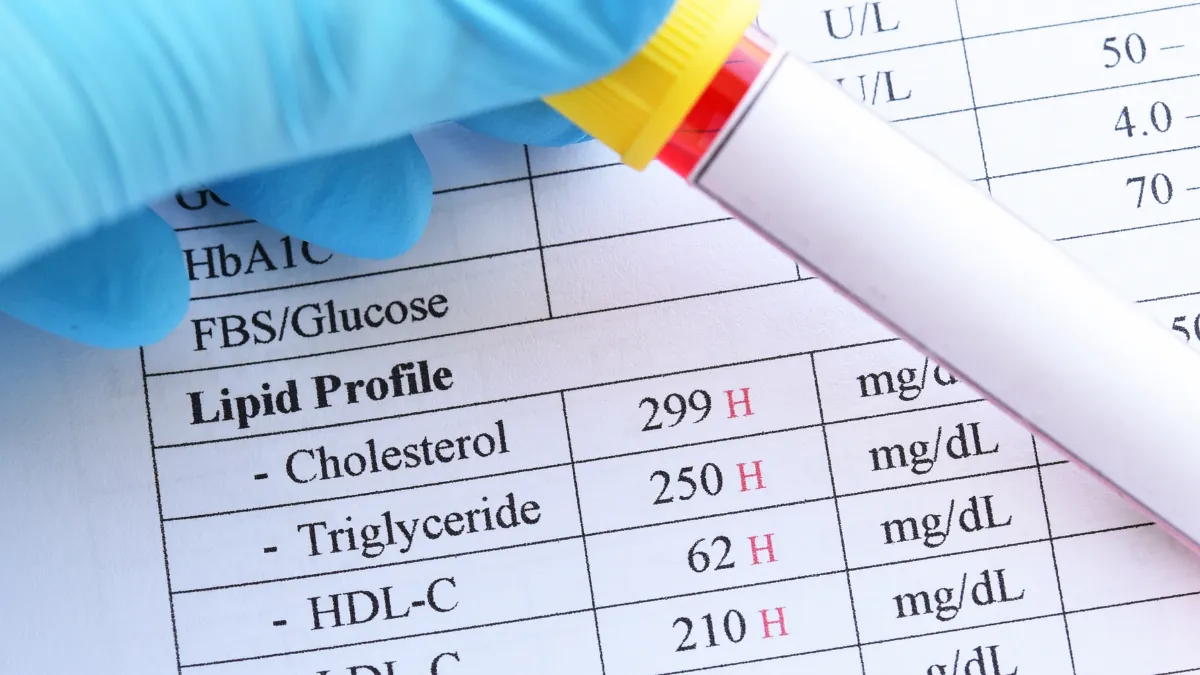
A lipid profile test (LPT) is a blood test that measures the different types of fats, or lipids, in your blood. Many people know it simply as a cholesterol test. It goes further than a single number, though. It shows how much “good” and “bad” cholesterol you have and how much of another fat, triglycerides, is circulating.
Think of it as a report card for your blood fats. One number alone can mislead, but the full set tells a story your doctor can actually use.
Why Is It Important?
Cholesterol isn’t the villain it’s often made out to be. Your body needs it to build cells and make hormones and vitamin D. The problem starts when certain types build up in excess. They can then attach themselves to arterial walls and create a fatty build up (plaque) which causes arteries to become constricted. This raises the risk of heart attack and stroke.
Because this process is silent, a cholesterol level test is often the only way to catch it early, while a few lifestyle changes (and sometimes medication) can still make a big difference.
What does it test for?
Typically, a lipid test will show:
- Total cholesterol: the total level of cholesterol in your blood.
- Low density lipoprotein (LDL) cholesterol: frequently referred to as “bad” choleste
- ‘Good’ cholesterol: HDL.
- Triglycerides: are a type of fat that is used to store extra energy.
- VLDL cholesterol: a particle that carries triglycerides; it’s often calculated rather than measured directly.
- Cholesterol ratios: such as total cholesterol to HDL, which some labs include for extra context.
Typical reference ranges (your lab’s report and your doctor’s advice come first, since targets vary by person):
| Parameter | Generally desirable |
| Total cholesterol | Below 200 mg/dL |
| LDL | Below 100 mg/dL |
| HDL | 40 mg/dL or above in men, 50 mg/dL or above in women |
| Triglycerides | Below 150 mg/dL |
HDL vs LDL: What’s the Difference?
Picture your bloodstream as a busy road network.
LDL (low-density lipoprotein) acts as a lorry which transports cholesterol to your arteries. Too much of this can then build up on the artery walls and cause a build-up of plaque.That’s why it’s called “bad” cholesterol.
HDL (high-density lipoprotein) is the cleanup crew. It collects extra cholesterol and carries it back to the liver to be processed and removed. Higher HDL levels are generally protective, which is why it’s called “good” cholesterol.
You want your LDL on the lower side and your HDL on the higher side.
What Are Triglycerides, and Why Do They Matter?
Triglycerides are the predominant type of fat in the body. Our bodies convert surplus calories (particularly those that come from sugar, processed carbohydrates and alcohol) into triglycerides which are then stored by our fat cells.
Whilst some triglycerides are healthy and used as an energy source, But persistently high levels, particularly alongside high LDL or low HDL, can increase your risk of heart disease. Very high levels can also cause inflammation of the pancreas. A cholesterol blood test that includes triglycerides gives you the fuller picture.
Who Should Get a Lipid Profile Test?
Honestly, most adults benefit from one. It’s especially worth doing if you:
- Are over 30, or earlier if heart disease runs in your family
- Have diabetes, high blood pressure, or thyroid problems
- Are overweight or have a large waist circumference
- Smoke or drink heavily
- Live a mostly sedentary lifestyle
- Have a family history of high cholesterol or early heart disease
- Are already on cholesterol-lowering medication and need monitoring
Do You Need to Fast?
It depends. Traditionally, doctors asked for a fast of 9 to 12 hours (water is fine) because eating can temporarily raise triglycerides. Many labs and doctors now accept non-fasting samples for routine screening, but fasting still gives the most accurate triglyceride and LDL readings in many cases.
The safest approach is to follow the instructions given when you book your test. If you’re unsure, just ask the lab or your doctor. And don’t skip your regular medicines unless you’ve been told to.
Can It Detect Heart Disease?
Not directly, and this is worth knowing. A lipid profile doesn’t diagnose heart disease. It shows your risk. Abnormal results tell your doctor that plaque may be building up or could do so in the future.
Should your figures be worrying or if you are experiencing symptoms including chest pain and/or lethargy, your doctor may recommend additional investigations for example an ECG, treadmill test and/or x-rays. Think of the lipid profile as an early warning system, not a final verdict.
How Often Should You Get Tested?
There’s no one-size-fits-all answer, but as a general guide:
- Healthy adults with normal results: every 1 to 2 years, or as your doctor advises
- People with risk factors (diabetes, hypertension, family history, obesity): once a year, or more often
- Those on treatment or recently changing their lifestyle: every few months, until your numbers stabilise
Your doctor will tailor the schedule to your personal risk.
How to Maintain Healthy Cholesterol Levels
The good news is that a lot of this is in your hands. Small, steady habits go a long way:
- Eat more fibre. Oats, beans, lentils, fruits, and vegetables help lower LDL.
- Consume good quality fats. Nuts, seeds, olive oil, and fish are better choices than fried foods and processed snacks.
- Cut back on trans fats and excess sugar. They push LDL and triglycerides in the wrong direction.
- Move regularly. Carrying out around 150 minutes of moderate exercise (for example, fast walking) can increase HDL and reduce triglyceride levels.
- Maintain a healthy weight. Even modest weight loss can improve your numbers.
- Quit smoking and limit alcohol. Both affect your cholesterol and your heart.
- Sleep well and manage stress. They matter more than most people think.
- Take medication as prescribed, if your doctor recommends it.
Final Thoughts
Your heart works for you every second of every day, and a lipid profile blood test is a small way of returning the favour. It isn’t about fear or chasing perfect numbers. Understanding your current situation helps you to then make good decisions. If it has been some time since your last test, why not book an appointment this month? In future you will be grateful for this.
FAQ’s
Q: Why is a Lipid Profile Test required?
A: To analyse your cholesterol and triglyceride concentrations and so reduce your and your doctors’ ability to suffer a heart attack or stroke.
Q: What does a Lipid Profile Test analyse?
A: Usually total cholesterol, LDL, HDL and triglycerides. It may also analyse cholesterol ratios.
Q: How do HDL and LDL cholesterol differ?
A: Whilst LDL cholesterol adds cholesterol to arteries, HDL takes extra cholesterol away and transports it to the liver. Ideally, you want reduced LDL and increased HDL cholesterol.
Q: What are triglycerides and what role do they play?
A: Triglycerides are the form in which your body stores fat to use as an energy source. Increased triglyceride concentration can contribute to a greater risk of suffering heart disease, particularly if further abnormal results are present.
Q: Who should undertake a Lipid Profile Test?
A: Generally, all adults. Especially those who have diabetes, hypertension, are obese or have a family history of heart disease together with those who do not maintain a healthy lifestyle.
Q: Do I need to fast?
A: Often 9 to 12 hours of fasting is advised, though some tests can be done non-fasting. Follow your lab’s or doctor’s instructions.
Q: Can it detect heart disease?
A: Whilst not diagnosing, it does assess your risk which may help to identify whether further investigation is required.
Q: How frequently should I be tested?
A: Every 1 – 2 years for well people. More frequently if you are at risk or receiving treatment.
Q: What can I do to keep my cholesterol under control?
A: Consume a high fibre, healthy diet. Exercise regularly, keep within a healthy range of weight. Don’t smoke and also reduce alcohol consumption. Plus adhere to medical advice.
Q: What is a Lipid Profile Test (LPT)?
A: A test which analyses the fat content of your blood (including cholesterol and triglycerides) to evaluate your risk to heart health.





Add comment