
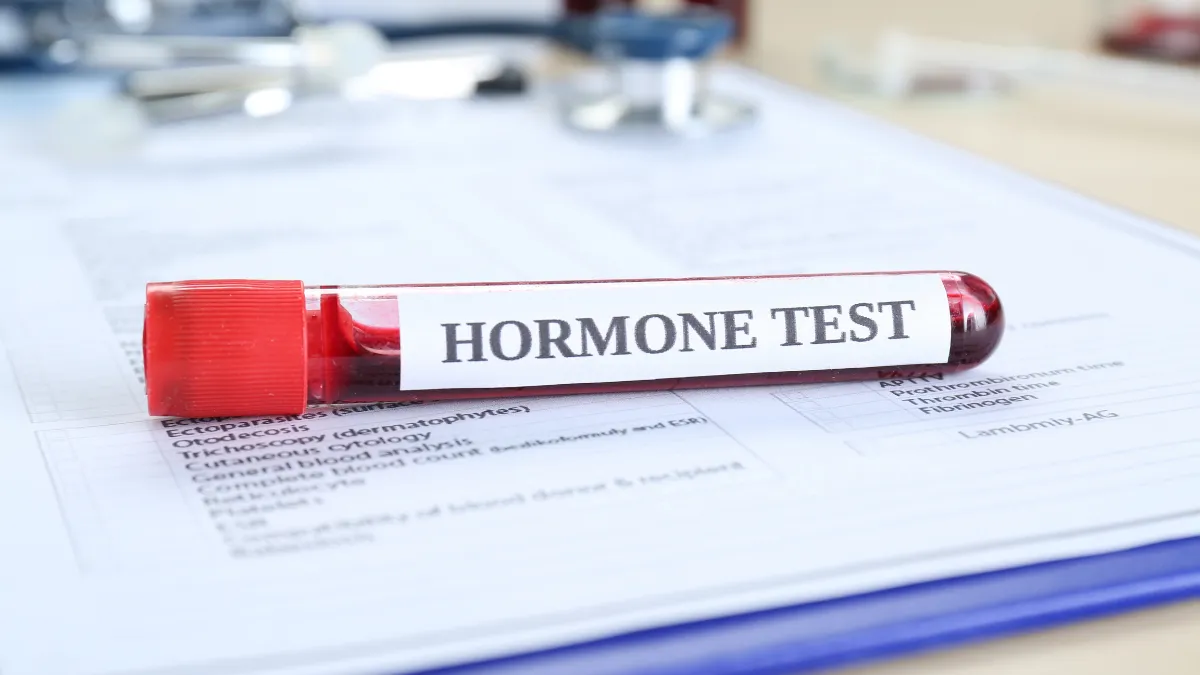
If you’re feeling tired, or your moods are fluctuating randomly, or if you are experiencing breakouts, thinning hair or weight gain with the same diet, and changing your lifestyle or eating habits and sleeping habits doesn’t improve your situation, it may be due to a hormone imbalance. Hormone imbalance tests can help to identify what is going on.
What are Hormones?
Hormones are chemical messengers. They are produced in glands in the body, such as the Thyroid, Adrenals, Ovaries and Testes. Hormones signal to your body when to sleep, eat, grow, cope with stress, and reproduce.
Only very small amounts are required. Even slight imbalances in hormone levels can cause effects in the body. As hormones work together, imbalances can cause other hormones to become imbalanced too.
What is a Hormone Imbalance Test?
A hormone imbalance test is carried out using blood samples (or sometimes urine or saliva). Depending on your symptoms, age and medical history, your doctor will determine which hormones need testing. While this test cannot be used to diagnose a condition on its own, it gives your doctor accurate numerical data to work with. This means they can provide more accurate treatment.
Which Hormones can be tested?
Common hormones requested include:
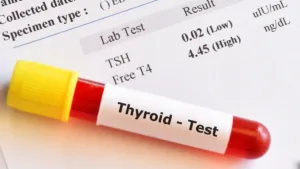
- Thyroid Hormones (TSH, T3, T4) – Regulate metabolism, energy and weight.
- Cortisol – Stress hormone. Also affects sleep, blood sugar and blood pressure.
- Insulin – Helps body utilise sugar. Important to test for diabetes risk and PCOS.
- Testosterone – Important hormone in energy, muscle, mood and sex drive in both men and women. Men require much higher levels of testosterone.
- Estradiol and progesterone – Female hormones. Regulate periods, fertility and menopause.
- FSH and LH – Regulate ovary/testes function. Useful in determining fertility.
- Prolactin – High levels can cause issues with periods, fertility and breast milk.
- AMH – Gives an indication of the number of eggs in a woman.
Female Hormone Test – Who should get it?
Throughout their lives, women experience large hormone changes. If you are experiencing any of the following symptoms, a female hormone test may help:
- Irregular, painful or heavy periods.
- Missed periods (not pregnant).
- Difficulties conceiving, or recurrent miscarriage.
- Acne, excess facial hair or thinning hair (can be caused by PCOS).
- Hot flushes, night sweats or mood changes (around menopause).
- Unexplained weight gain.
Male Hormone Test – Who should get it?
Hormone imbalances in men can be an issue. If you are experiencing any of the following symptoms, a male hormone test may be useful:
- Fatigue.
- Reduced sex drive.
- Loss of muscle and increased belly fat.
- Feeling low, irritable and difficulty concentrating.
- Difficulty conceiving.
- Over 40 and noticing increasing changes.
Common Symptoms of Hormone Imbalance
Both men and women may experience:
- Fatigue.
- Sudden weight changes.
- Mood changes, anxiety or feeling low.
- Poor sleep.
- Hair loss or skin issues.
- Reduced sex drive.
- Irregular periods.
- Feeling unusually hot or cold.
Although having just one of these symptoms does not necessarily mean you have a hormone issue, if you have two or three of them and they persist, then getting a hormone test is a good idea.
Why get a Hormone Test?
It can give you some great benefits.
- Identify the cause of symptoms. You can get to the root of the issues causing fatigue or weight gain.
- Detect issues early. Many hormone related conditions (thyroid issues, PCOS, diabetes) can develop slowly. Detecting them early makes treatment easier and more effective.
- Provide guidance. If you are currently on hormone medication, regular tests allow your doctor to get the right dosage for you.
- Help with Conceiving. Couples trying to conceive will get clearer results quicker.
- Save time and stress. Getting a hormone profile means you can take action with clear information.
How to get a test
A trained professional will take a small amount of blood from a vein in your arm. The test should only take a few minutes. Some hormones will need to be tested at a certain time of day, or at a certain point in your menstrual cycle. Your doctor or laboratory should be able to tell you more.
If you live in Noida, Greater Noida, Greater Noida West or surrounding areas, you can have a sample taken at home with Get Well Labs and receive your report online.
Frequently Asked Questions
Q: What is a hormone imbalance test?
A: A hormone imbalance test is usually taken using blood samples. It allows your doctor to see if any of your hormone levels are too high or too low.
Q: Why is it important to get hormone tests to maintain good health?
A: Hormones regulate many functions inside the body, including energy, mood, weight, sleep and fertility. Getting a hormone test can help provide explanations to unknown symptoms and allow you to begin treatment early.
Q: Which hormones can be tested?
A: Common hormones include thyroid hormones, cortisol, insulin, testosterone, estradiol, progesterone, FSH, LH, Prolactin and AMH. The particular hormones requested depend on your symptoms and will be decided by your doctor.
Q: What are common symptoms of hormone imbalance?
A: Fatigue, weight changes, mood changes, poor sleep, hair loss, skin issues, reduced sex drive and irregular periods.
Q: Who should be tested for hormones?
A: Women with symptoms of PCOS, fertility problems or period problems. Men with low energy or low libido. If you are experiencing unknown symptoms for a prolonged period of time. People going through menopause or on hormone treatments may wish to get a test.
Q: How is a hormone test carried out?
A: A small sample of blood will be taken from the arm. The test is quick, taking only a few minutes. Some hormones may be tested using urine or saliva.
Q: Do I need to fast?
A: This depends on the hormone. Insulin tests are often carried out on an empty stomach. Cortisol and Testosterone are usually tested in the morning. Several female hormones depend on where you are in your menstrual cycle. When booking with a lab, they should be able to give you accurate information.
Q: Can hormone tests detect thyroid issues?
A: Yes. The thyroid is part of hormone regulation. A thyroid profile (TSH, T3 and T4) is one of the most common hormone tests. It can indicate whether the thyroid is under active or over active.
Q: How regularly should hormone tests be done?
A: This can vary. If you are in good health, having a test when symptoms arise may be enough. If you are on treatment, or managing a hormone related condition (such as thyroid disease or PCOS), your doctor will be able to advise on how regularly you need a test. Usually every few months.
Q: How can I keep my hormone levels healthy?
A: Get 7-8 hours of sleep. Stay active. Eat a well-rounded diet. Manage stress. Maintain a healthy weight. Try to reduce the alcohol and quit smoking. Do not take hormone supplements unless prescribed by a doctor.

Add comment