

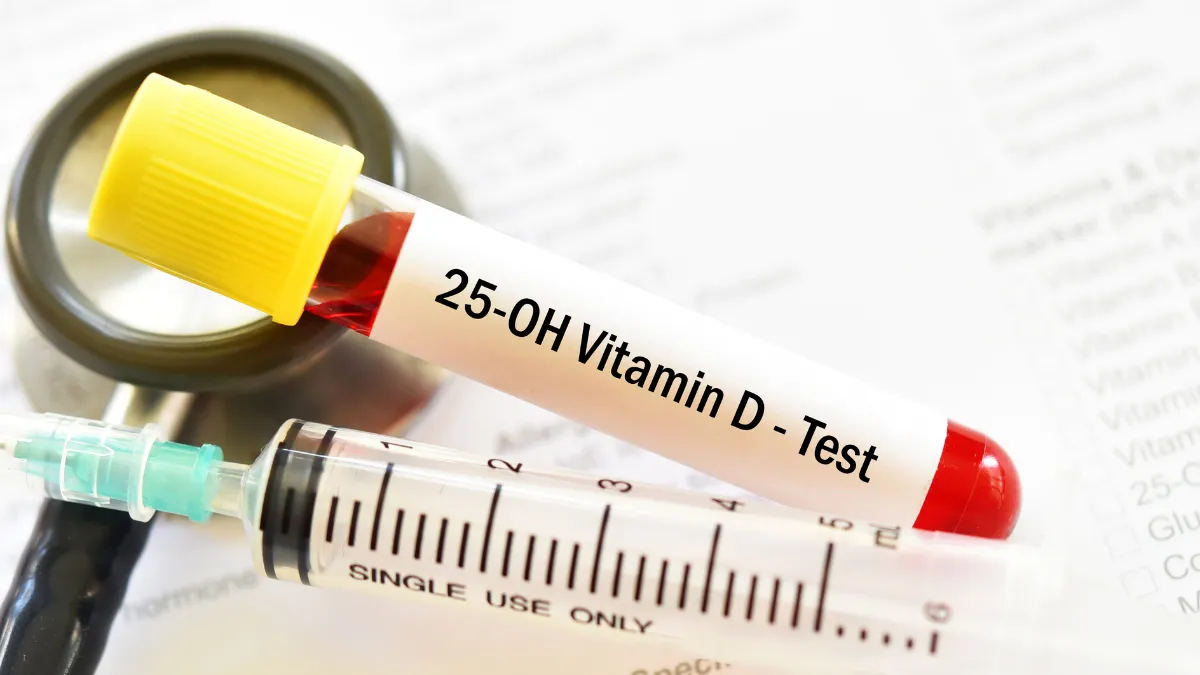
Why You Should Take a Vitamin D Test
If you start experiencing aches in your knees, or if you are just feeling more fatigued than usual, you may be tempted to ignore these symptoms. However, it could be that you are suffering from a vitamin D deficiency. Despite our living in a sunny country, vitamin D deficiencies are common in India. Spending long periods indoors, high levels of air pollution, covering up and eating a largely vegetarian diet can all contribute. Taking a vitamin D test for bone health means that you can find out where you stand quickly, so any small issues can be addressed before becoming major.
What is a Vitamin D test?
A vitamin D test is a blood test that allows your healthcare professional to see how much vitamin D is present in your blood. Most labs, including us, measure 25 hydroxyvitamin D (25-OH D3). This gives an accurate representation of your overall vitamin D levels.
Vitamin D allows calcium and phosphate to be absorbed by the body. If we don’t have enough, regardless of having high amounts of milk and dhal in our diets, our bones will not be able to make good use of the calcium. Therefore, measuring vitamin D levels in order to determine bone health is very important.
Who should take a vitamin D test?
Many people can suffer from low vitamin D levels without realising. We recommend taking the vitamin D test for adults if you:
- Spend most of your time indoors and get little sun exposure
- Are over 40 years old or going through menopause
- Suffer from chronic pain in your back, joints or muscles
- Are pregnant or breastfeeding
- Are overweight
- Have a condition affecting your diabetes, thyroid, kidney or liver
- Have a strict vegan/vegetarian diet
- Have a family history of osteoporosis.
If two or more of these apply to you, we would recommend taking a vitamin D test.
Why is this important?
Vitamin D plays an important role in maintaining healthy bones. If vitamin D levels remain low in your body over a period of months or years, your bones can become weak and fragile. In adults this can cause osteomalacia and osteoporosis, making the risk of fractures higher.
Low vitamin D levels can impact muscle function, immune function and mood. Detecting this early is much easier (and cheaper!) Than treating the effects of vitamin D deficiency.
Common Symptoms:
As symptoms can be very similar to general tiredness, it can be difficult to notice these. However, common symptoms include:
- Fatigue
- Bone/back/joint pain
- Muscle weakness/cramps
- Frequent illness/colds
- Low mood
- Thin/loss of hairPoor wound healing
These symptoms do not confirm that you have a deficiency. The only way to be certain is to take a blood test.
How To Take The Test
Taking a vitamin D test is quick and easy. A trained phlebotomist will take a small amount of blood from your arm. At Get Well Labs we can offer free sample collections from your home or office in Noida, Greater Noida, Greater Noida West and local areas. Once tested, results will be sent to you online. Usually standard results will be ready on the same day.
Maintaining Healthy Levels
Depending on your results, you can make changes to your lifestyle to improve vitamin D levels. Try:
- Getting 15-20 minutes of sun (on arms and face) 3 times a week.
- Eating foods rich in vitamin D, such as eggs, fortified milks and fatty fish.
- Being active. Weight bearing exercises such as walking will be particularly beneficial.
- If taking supplements, only do so if advised by a doctor. Too much vitamin D can be harmful.
Frequently Asked Questions
Q: What is a vitamin D test for bone health?
A: It is a blood test. It allows healthcare professionals to understand how much vitamin D you have in your body. As it allows for calcium to be absorbed, we can determine whether the bones can be supported.
Q: Why should I take a vitamin D test?
A: Early symptoms of a deficiency may be hard to spot. By taking a test, we can detect a deficiency early meaning we can resolve this issue before it affects your bones, muscles and immunity.
Q: What are the symptoms of a vitamin D deficiency?
A: Symptoms include tiredness, bone/back pain, muscle weakness, frequent illness, low mood and thinning hair. Some people may have no symptoms.
Q: Who should take a vitamin D test?
A: Adults who get little sun exposure, people aged over 40, pregnant women, people with chronic conditions and people with unexplained pains/fatigue.
Q: How do I take a vitamin D test?
A: A small amount of blood will be taken from the vein in your arm. The test only takes a few minutes to complete. We can provide sample collections at your home.
Q: Do I need to fast for this test?
A: Nope. If, however, you are having this test as part of a broader health screening, please follow the guidance given for the other tests.
Q: What is a normal vitamin D level?
A: Most labs consider 30-100 nmol/L to be adequate. Levels of 20-30 are generally considered insufficient, and levels below 20 are considered deficient. Levels may vary slightly between labs so we recommend discussing your vitamin D results with your physician.
Q: Can a vitamin D deficiency affect bone health?
A: Yes. Long-term deficiency can lead to weak, painful bones. Osteomalacia and osteoporosis can occur increasing the risk of fractures.
Q: How can I maintain healthy vitamin D levels?
A: Eat foods rich in vitamin D, get regular morning sun, be active and only take supplements if prescribed by a doctor.
Q: How regularly should I take a vitamin D test?
A: Healthy adults might want to have this test once a year.If you are deficient , and being treated , your doctor will likely advise you to repeat this in about two to three months .





Add comment