
Vitamin D Test: Why Checking Your Vitamin D Levels Is Important for Your Health
You know that vitamin D is nutrient for your overall health. Because it helps the body take in calcium and supports bones, muscles and teeth. It also helps the immune system work properly. The body can make Vitamin D when you are out in the sun. It can also come from food and from supplements. But some people might still have levels because of how they live, what they eat, how old they are or because of some health issues. A Vitamin D level test is a blood test that checks how much Vitamin D is in your blood. It can help you know your Vitamin D levels. Take the right steps to improve your health.
What Is Vitamin D Test Know All About?
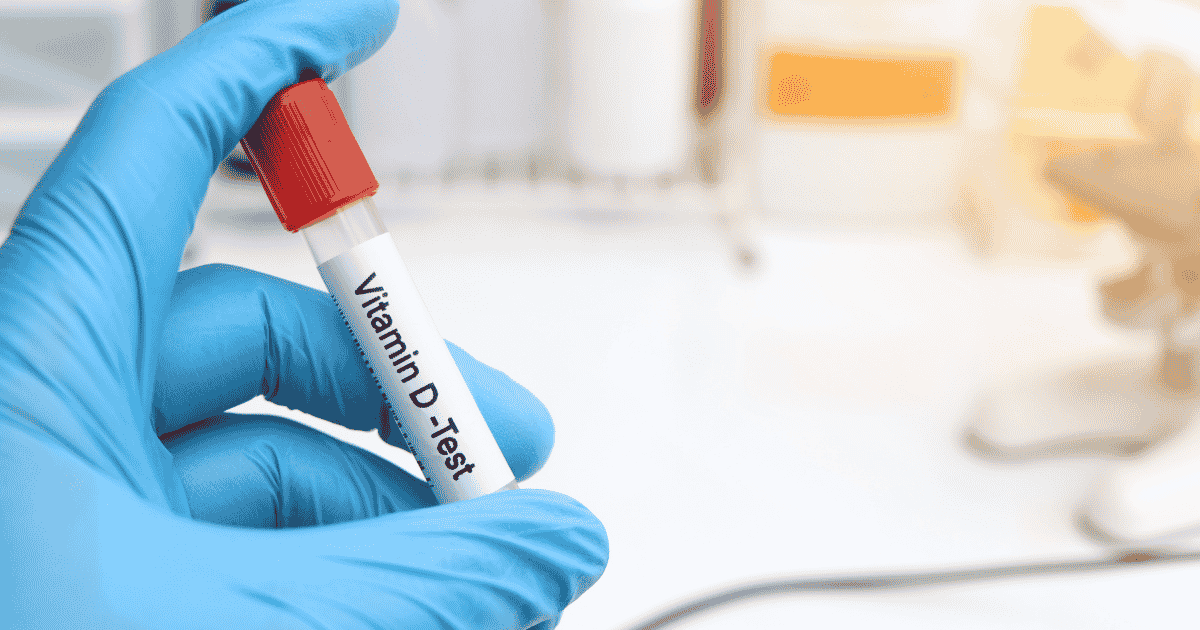
Sunshine vitamin test usually measures 25-hydroxyvitamin D [25(OH)D] in your blood. This is the way to check the vitamin D levels inside your body. Your doctor can look at the Vitamin D test result along with your health history and other things. Doing this helps your doctor see a picture of whether your vitamin D levels need more attention.
The test can help:
- Check your current vitamin D status
- Identify a possible deficiency
- Support assessment of bone health
- Monitor vitamin D levels during treatment
Who May Need a Vitamin D Blood Test?
Blood test for vitamin D can help people who have risk factors. Your doctor may suggest the test based on your health and habits.
You may be advised to take Vitamin D blood test if you:
- You spend most of your day indoors
- You get sunlight
- You have history of low vitamin D
- You worry about bone health
- You have ongoing muscle weakness
- You have certain digestive problems
- You have kidney or liver problems
- You take medicines that can affect vitamin D
- You have conditions that affect nutrient absorption
Testing can give useful information instead of only relying on symptoms.
What Are the Signs of Low Vitamin D?
Low vitamin D can hide in the body, it does not always show clear signs. Many people do not feel any change, from normal and low vitamin D often appear only during a routine health check or when the doctor recommends test.
Possible signs may include:
- Tiredness
- Muscle weakness
- Muscle discomfort
- Bone discomfort
- Frequent body aches
- Reduced physical strength
These signs can occur for many reasons. Vitamin D deficiency test can help determine whether low vitamin D may be contributing to the problem.
What Can Affect Vitamin D Levels?
Your vitamin D level can be influenced by several lifestyle and health factors. Limited sunlight is one possible reason for low levels.
Other factors include:
- Limited vitamin D intake through food
- Spending little time outdoors
- Older age
- Certain digestive conditions
- Some kidney or liver conditions
- Certain long-term medicines
- Problems with nutrient absorption
- Higher body weight
How Is the Vitamin D Laboratory Test Done?
Vitamin D laboratory test requires a blood sample. Trained healthcare professional collects the blood sample from vein in your arm. The blood sample is then sent to the laboratory for analysis. The entire laboratory test process is quick. Requires only small amount of blood.
Before your test:
- Follow the laboratory’s instructions.
- Ask whether fasting is required.
- Tell your doctor about medicines or supplements you take.
Follow any instructions if other tests are being done together.
How to Read Your Vitamin D Test Report?
Your report will show your vitamin D result. The reference range the laboratory uses. Reference ranges can vary from one laboratory to another. Healthcare professional can explain your vitamin D result by looking at your age, health condition, symptoms and other test findings.
When reviewing your report, look at:
- Your reported vitamin D value
- The laboratory’s reference range
- Any comments given with the result
- Other related test results
- Your doctor’s interpretation
Avoid comparing your result with someone else’s report. Your vitamin D needs may be different.
How Can You Support Healthy Vitamin D Levels?
Minor changes in your life can assist you keep your vitamin D levels where they need to be. How much vitamin D you need might change based on how old you are, what you eat, how you live and your health.
Few healthy habits may include:
- Spend some time in the sun.
- Put vitamin rich foods into your meals.
- Pick foods when you can.
- Keep your body moving and stay active.
- Listen to what your doctor says about vitamin D supplements.
Get tested when medically recommended. Sunlight helps the body create vitamin D. Too much sunlight can damage skin. But balanced approach to sunlight is important.
Foods That Contain It
Food is another way to get vitamin D. Some foods naturally contain it, while other foods may have added.
Some common food sources include:
- Fatty fish such as salmon and sardines
- Egg yolks
- Fortified milk
- Fortified cereals
- Fortified plant-based drinks
- Some dairy products
Varied diet can also provide calcium, protein, and other nutrients needed for healthy bones.
Why Choose Get Well Labs for Vitamin D Testing?
Get Well Labs provides range of diagnostic tests and health packages. Its services are designed to make routine testing simple and convenient.
Get Well Labs offers:
- Home sample collection
- Trained phlebotomists
- Hygienic sample collection
- Modern laboratory facilities
- Online report access
- Multiple health packages
When Should You Consider for Test?
You might want to get test if your doctor thinks there is reason to check your Vitamin D levels. This test is also helpful if you are watching how its deficiency changes or seeing if your treatment is working. You should talk to your healthcare provider about getting this test if you have:
- Previous history of low vitamin D
- Limited sunlight exposure
- Concerns about bone health
- Certain health conditions
- Symptoms that need further evaluation
Take Simple Step Towards Better Health
Knowing your vitamin status can help you make better choices for your health. Vitamin D level test gives you information that your doctor can use to look at your total health. If you are worried about it, you should talk to your doctor to see if this test is right for you. Get Well Labs makes health testing much easier to get because we offers diagnostic services and home sample collection.
FAQs
Q: Why is the Vitamin D Test important?
A: It helps check your vitamin D status and identify possible low levels.
Q: What does the Vitamin D Test measure?
A: It usually measures 25-hydroxyvitamin D in your blood.
Q: Who may need Vitamin D Test?
A: People with certain risk factors or a doctor’s recommendation may need testing.
Q: How is a Vitamin D Test performed?
A: A small blood sample is collected from a vein and tested in a laboratory.
Q: How can I maintain healthy Vitamin D levels?
A: A balanced diet, suitable sunlight exposure, and medical guidance can help.


About author



Add comment