
Lipid Profile Test: A Simple Guide to Understanding Your Cholesterol Levels
Cholesterol is a substance that helps your body function the way it should. More unhealthy balance of cholesterol can harm your heart and the blood vessels in your body. Lipid profile blood test looks at kinds of cholesterol and fats in your blood. It can give you picture of your heart health and help you make better choices about how you live. Doctor might suggest this test during health exam or if you have specific risk factors that could affect your health.
What Is Lipid Profile Blood Test Know All About?
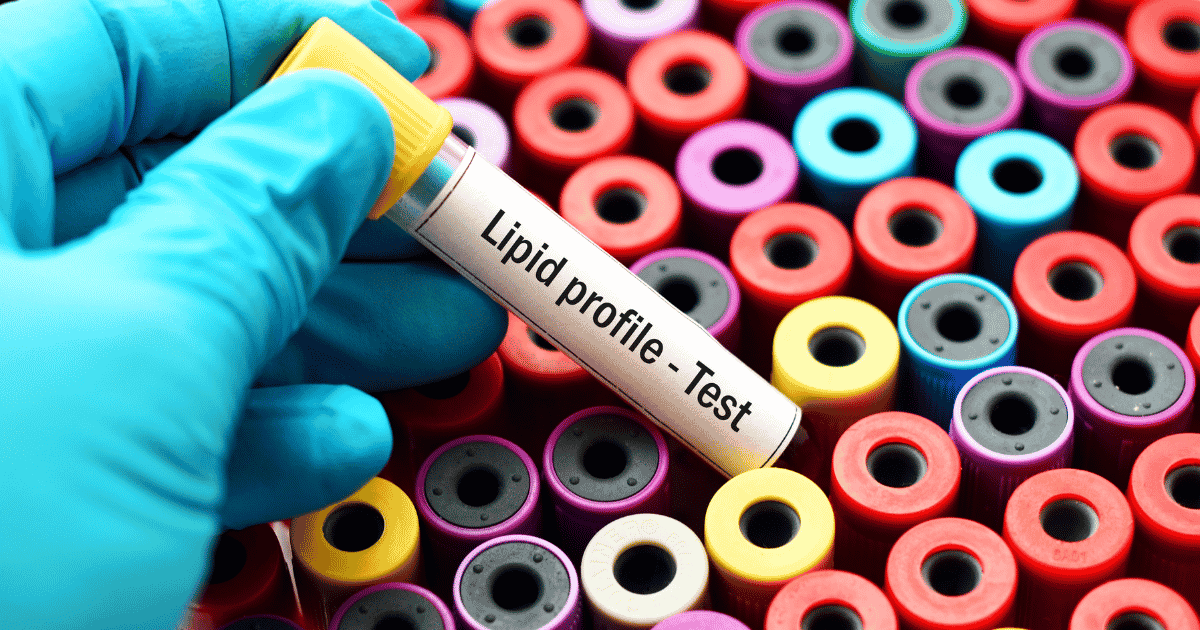
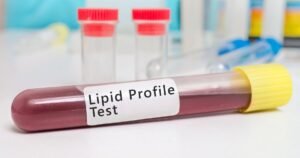
Lipid profile is blood test that checks the main fats and cholesterol in your blood. This test gives report of your cholesterol balance. Your doctor can use the results along with your age, health history and other risk factors.
Main typical lipid profile includes:
- Total cholesterol. Measures the total amount of cholesterol in your blood.
- HDL cholesterol. Helps carry cholesterol back to the liver for removal.
- LDL cholesterol. Can contribute to plaque buildup in the arteries when levels are high.
- Triglycerides. Store unused energy and are another important type of blood fat.
- VLDL. Mainly carries triglycerides through the bloodstream.
Why Is It Important?
High cholesterol usually does not lead to any signs. You might feel fine even if your cholesterol levels are high and need care. Checking your cholesterol on the basis can help find changes early. It also provides you with details to make better decisions.
Here is the input from the user:
- Check your cholesterol levels often.
- Look at the risk for heart disease.
- See how things change after you make habits.
- Watch what happens when you take cholesterol medicine.
- Help with health checkups.
HDL and LDL Cholesterol What Is the Difference?
These are two important types of cholesterol carrying lipoproteins. They have different roles in the body.
First HDL Cholesterol
It stands for high density lipoprotein. I refer to HDL as the “cholesterol. HDL moves cholesterol from the blood back to the liver. It supports the body’s system for removing excess cholesterol. An HDL cholesterol test is part of lipid profile.
Second One LDL Cholesterol
This stands for low-density lipoprotein. I call LDL the “cholesterol. LDL builds up in artery walls when LDL levels are high. It can raise the risk of heart and blood vessel problems over time. I have seen an LDL cholesterol test that measures the amount of LDL in the blood.
Know About Triglycerides What Is It
Triglycerides are the kind of fat that lives in your blood. Your body takes them as source of energy. Any extra calories you eat can turn into triglycerides. Get kept as fat. High levels of triglycerides can be connected to a chance of heart issues.
Triglyceride levels may be influenced by:
- Being overweight.
- Drinking too much alcohol.
- Some medical conditions.
- Certain medicines.
- Low physical activity.
How to Prepare for LP Test
Your preparation depends on the test and your doctor’s instructions. Some lipid tests can be done without fasting. If fasting is required, you may be asked not to eat for a specific period before the test. Follow the instructions given by your healthcare provider or laboratory.
Before the test:
- Confirm whether fasting is required.
- Drink water if permitted.
- Tell the lab about your medicines and supplements.
- Do not stop prescribed medicines without medical advice.
- Follow the laboratory’s preparation instructions.
- Reach the lab at the scheduled time.
How Often Should You Have Cholesterol Level Test?
Every person needs testing schedule. Healthy adults may need cholesterol checks. People with diabetes, high cholesterol, heart disease or other risk factors may need cholesterol checks often.
- Your doctor may suggest repeat test when:
- You start cholesterol-lowering treatment.
- Your medicine dose changes.
- Your lifestyle changes significantly.
- Previous results were outside the desired range.
Why Regular Cholesterol Testing Matters?
Your cholesterol levels can change your lifestyle shifts or as you face health conditions. I have seen that one normal cholesterol result does not guarantee that your cholesterol will stay the same forever.
Cholesterol level test gives you information about the fat levels in your blood right now. Getting a cholesterol level test on a basis can help you and your doctor keep an eye on those changes.
Knowing about your cholesterol levels early also gives you a chance to fix your diet, move your body more and change health habits when you need to.
Lipid Profile Testing at Get Well Path Labs
Get Well Path Labs focuses on convenient diagnostic testing to support routine health monitoring. Its services include lipid profile testing and other preventive health tests.
Patients can also benefit from convenient options such as:
- Diagnostic blood testing.
- Health check-up packages.
- Home sample collection.
- Digital access to test reports.
- Routine preventive health testing.
If your doctor has advised LP, timely testing can help you know your cholesterol levels and plan the right next step.
Few More Unique Key Takeaways
LP is the simple test that provides useful information about cholesterol and triglycerides.
Remember these important points:
- HDL is commonly known as “good” cholesterol.
- LDL is commonly known as “bad” cholesterol.
- Triglycerides are other kind of blood fat.
- LP can support regular heart health monitoring.
- Your results need to be looked at in the context of your health.
Eating food and getting regular physical activity can help improve your cholesterol levels. Your doctor can help you understand the cholesterol goals that are right for you.
Conclusion
Identify cholesterol is the part of preventing illness. Lipid profile blood test gives a way to check cholesterol and triglyceride levels. Knowing the results can help you have an informed conversation with your doctor. With monitoring and healthy daily habits, you can take positive steps toward better heart health.
FAQs
Q: Why is the Lipid Profile Test important?
A: It helps check cholesterol and triglyceride levels and supports heart health assessment.
Q: What does the Lipid Profile Test measure?
A: It measures total cholesterol, HDL, LDL, triglycerides, and sometimes VLDL.
Q: What is the difference between HDL and LDL cholesterol?
A: HDL helps remove cholesterol from the blood, while high LDL can contribute to artery plaque.
Q: What are triglycerides?
A: Triglycerides are blood fats that store and provide energy for the body.
Q: Can the Lipid Profile Test detect heart disease?
A: It cannot diagnose heart disease alone but can help assess cardiovascular risk.


About author

Add comment