

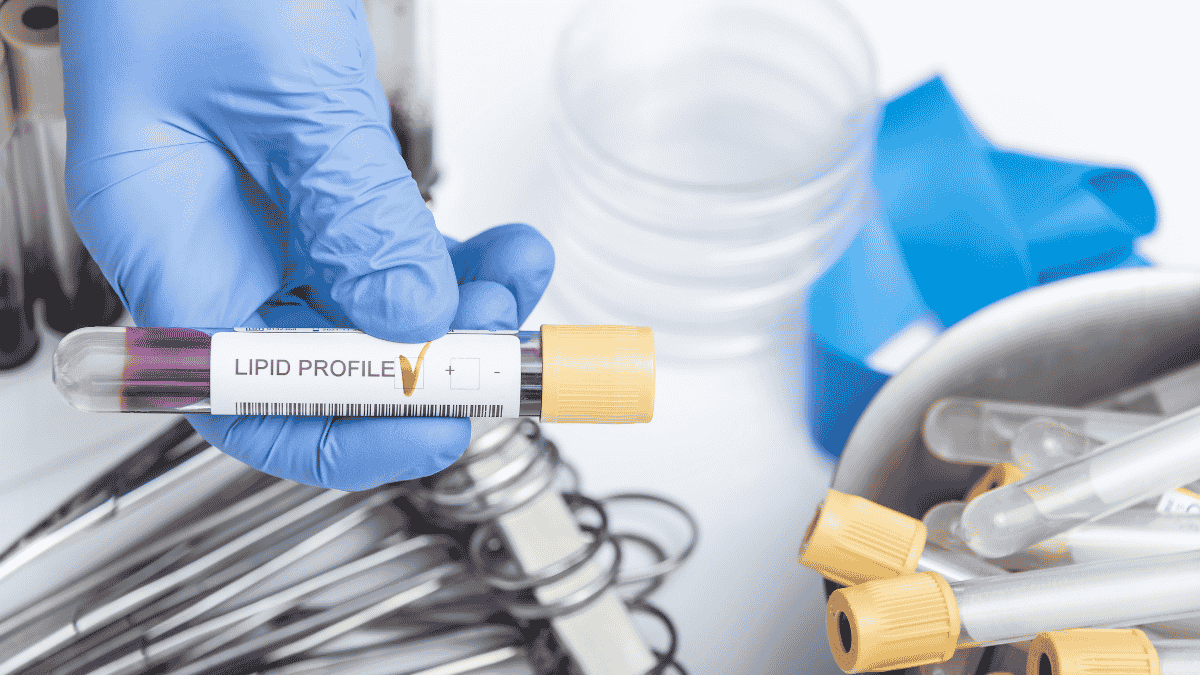
How a Lipid Profile Test Helps Monitor Heart Health
Taking care of your heart begins with knowing your health. Your heart may change in cholesterol and blood fats when you see no symptoms. A lipid profile blood test will let you see those changes with a blood sample. Regular testing gives you complete information about your heart health. Systematic testing also helps you and your doctor decide when lifestyle changes or further monitoring might be helpful. Because heart health always matters.
Short Note About Lipid Profile Blood Test That You May Know
The lipid profile blood test shows the kinds of cholesterol and fats that are in your blood. It is also known as a cholesterol test or a lipid panel.
The lipid profile blood test usually checks:
• Total cholesterol – the overall amount of cholesterol in your blood.
• LDL cholesterol – often called cholesterol. High levels may help plaque build up in the arteries.
• HDL cholesterol – often called cholesterol. This type of cholesterol helps carry cholesterol away from the arteries.
• Triglycerides – a type of fat that your body stores and uses for energy.
• VLDL – a kind of cholesterol that mainly carries triglycerides through the blood.
• Non‑HDL cholesterol – shows the amount of cholesterol carried by particles that’re not HDL.
These results give the lipid profile blood test picture of your cholesterol levels.
Why Is Lipid Profile Important for Heart Health?
Cholesterol is important for the body. The body needs it to keep cells strong and to produce hormones. Having too much of some types of cholesterol can lead to issues with the arteries over time. A cholesterol blood test tells you what your levels are now. This information can be useful even if you feel healthy.
A lipid profile can help you in ways:
• See how high your cholesterol and triglyceride levels are.
• Watch how your results change from year to year.
• Learn about risks to your heart health.
• Follow your progress after making changes to your lifestyle.
• Keep an eye on cholesterol while following a treatment plan.
• Talk about your results with your doctor.
Your cholesterol report should always be looked at together with things like blood pressure, age, family history, diabetes, smoking habits, diet and daily physical activity. All of these factors matter when understanding your health.
Who May Need Lipid Profile Test?
Cholesterol testing can be useful for adults as part of health care. I have found that your doctor may suggest Cholesterol testing often if you have certain risk factors.
A lipid profile may be recommended if you:
- Have a family history of high cholesterol or heart disease.
- Have diabetes or high blood sugar.
- Have high blood pressure.
- Have excess weight.
- Follow a less active lifestyle.
- Smoke.
- Have previously had high cholesterol.
- Are taking medicines to manage cholesterol.
- Have been advised to monitor your heart health.
The right testing schedule depends on your individual health needs.
Understanding Your Lipid Profile Results
Lipid profile has more numbers. Knowing what each one means can help you understand your report better.
- LDL is often called cholesterol. When LDL is high, it can build up in the walls of your arteries. Lead to plaque. Keeping LDL at a level is key to good heart health.
- HDL is known as cholesterol. It works by taking cholesterol out of the arteries and sending it to the liver. HDL alone doesn’t tell the full story. Your doctor will look at your whole lipid profile and other health details to get the picture.
- Triglycerides are fats in the blood. Your body uses them for energy. Stores extra energy as triglycerides. High levels of triglycerides may raise your risk of heart problems, especially when other cholesterol numbers aren’t good.
- Total cholesterol shows the amount of cholesterol in your blood. It’s one part of your lipid report. To understand it fully, you need to look at LDL, HDL, triglycerides and your overall health.
Does the Lipid Profile Test Require Fasting?
A lipid profile does not always need you to fast. Many tests, for cholesterol can be done without fasting. However, your doctor might suggest fasting in some cases. This can depend on your health background, why the test is being done or your triglyceride numbers.
If fasting is needed, the lab will tell you how long you should not eat before giving a sample. Always do what the instructions say that your doctor or the lab gives you.
Can the Lipid Profile Test Detect Heart Disease?
A lipid profile does not directly diagnose heart disease. Instead, a lipid profile gives you information about cholesterol and triglyceride levels. These numbers can help a lipid profile guide the doctor in seeing some of the factors that link to heart risk.
If a lipid profile shows something that needs checking, the doctor may suggest other tests that look at your symptoms, medical history and overall health. So, heart health screening is important part of the heart health check, but it is not full heart disease diagnosis by itself.
How Can You Maintain Healthy Cholesterol Levels?
Well and healthy daily habits assist cholesterol management. Healthy daily habits do not need to change at once. Small steady steps make healthy daily habits easier to follow and help cholesterol stay lower.
Try to:
- Eat vegetables and fruits and eat them every day.
- Add grains and fibre rich foods to meals and add them regularly.
- Choose sources of fat and choose them wisely.
- Limit foods high in saturated and trans fats and limit them when possible.
- Stay physically active. Stay active every day.
- Maintain a healthy weight.
- Avoid smoking.
- Limit excessive alcohol consumption.
- Take prescribed medicines as directed.
- Get your cholesterol checked when recommended.
A balanced diet and systematic physical activity can support heart health, and consistent medical care can also assist overall your heart health.
How Often Should You Check Your Cholesterol?
Your cholesterol can change as you get older. Cholesterol can be affected by your lifestyle by your weight by the medicines you take and, by some health conditions. Because of this, testing may be repeated when your doctor recommends cholesterol testing. People who have cholesterol or some health conditions may need more frequent cholesterol monitoring. Keeping cholesterol reports can also help you and your doctor compare cholesterol results over time.
Lipid Profile Testing at Get Well Path Labs
Get Well Path Labs offers lipid profile testing as part of its services. Cholesterol level test can help you check cholesterol and triglyceride levels by using a blood sample. For those who like to test at home, home sample collection can make routine health checks more convenient. Before booking a test, read the preparation instructions supplied by the laboratory. If you have questions about fasting or about your test results, talk with your healthcare professional.
Conclusion
The lipid profile blood test can give you right picture of your cholesterol and triglyceride stages. Because high cholesterol often has no symbols doing this test frequently can assist you to keep your health in check. Your report is more than list of numbers. It provides you with details that can help you see how your body is doing and talk about the steps to take with your doctor. By making choices, having regular visits and getting the right medical advice, you can take charge of your heart health.
FAQs
Q: Why is the lipid profile test important for heart health?
A: Lipid profile checks the levels of cholesterol and triglycerides in your blood. These consequences can support your doctor see how healthy your heart is and keep track of any changes in your cholesterol extra time.
Q: What are triglycerides?
A: Triglycerides are a type of fat found in the blood. Your body stores extra energy as triglycerides and uses them when needed.
Q: Does a lipid profile test require fasting?
A: Not always it needs. Some lipid tests can be achieved without fasting. Your doctor may mention fasting depending on your health and the type of testing required. Follow the instructions given by your laboratory.
Q: Can the lipid profile test detect heart disease?
A: A lipid profile cannot directly diagnose heart disease. Its procedures cholesterol and triglycerides that can provide useful information about cardiovascular risk. Your doctor may suggest additional tests when needed.
Q: How can I maintain healthy cholesterol levels?
A: Taking diet, staying active, keeping fit, not smoking and following your doctor’s advice can help keep healthy cholesterol levels. Regular testing also helps you watch for changes in cholesterol levels.

About author


Add comment