
RT-PCR Test: Understanding Accurate Molecular Testing and Its Importance
If you think you have an infection, getting the right diagnostic test can help doctors figure out what is going on inside your body. Sometimes you cannot tell if you have an infection by looking at your symptoms. RT-PCR testing is amazing way to find specific genetic material. This testing gives doctors helpful information when healthcare professional suspects you might have viral infection or other types of infections.
Who May Need This Test?
RT-PCR test may be recommended when the healthcare professional wants to check for specific infection.
It can be considered for people who:
- Have symptoms linked to a suspected infection
- Have had known exposure to an infection
- Need confirmation of a suspected infection
- Require molecular testing based on medical advice
- Need further evaluation after another test
How Does RT-PCR Testing Work?
This test involves several laboratory steps. Each step helps prepare and analyse the sample correctly.
1. Sample Collection
Trained professional collects the required sample using the recommended method.
Depending on the infection, the sample may be:
- Nasal swab
- Throat swab
- Respiratory specimen
- Saliva, where applicable
- Blood or another suitable specimen for selected tests
2. Sample Processing
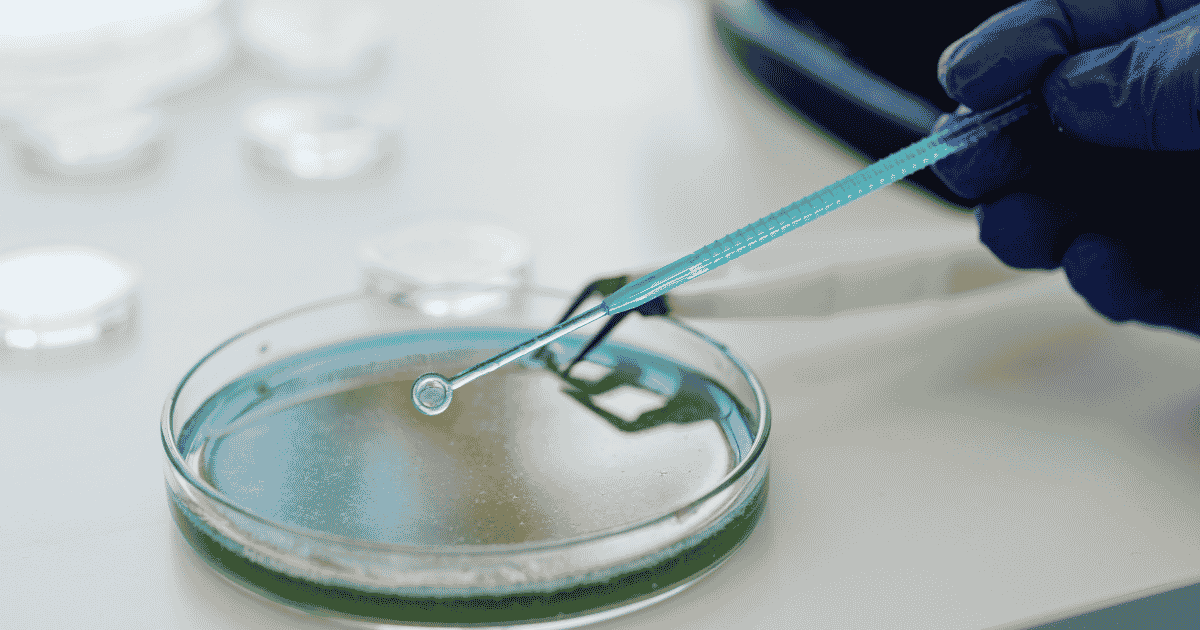
The sample is sent to the laboratory for processing. The required genetic material is separated from other substances in the specimen.
3. Reverse Transcription
If the target contains RNA, it is converted into complementary DNA. This step prepares the genetic material for PCR amplification.
4. Amplification
The target DNA is copied repeatedly through controlled laboratory cycles. This increases the amount of genetic material available for detection.
5. Detection and Reporting
Laboratory checks whether the specific target genetic sequence is detected. The result is then reported according to the test method.
Why Is RT-PCR Testing Important?
Reverse Transcription-Polymerase Chain Reaction testing can give details about the DNA from the target microorganism, and RT-PCR testing is key tool for labs.
Its key benefits include:
- Helps detect selected infections
- Identifies specific genetic material
- Supports clinical diagnosis
- Can provide sensitive molecular detection
- Helps doctors make informed decisions
- Supports timely healthcare management
What Is RT-PCR Test Used For?
The RT-PCR diagnostic test can spot material from chosen viruses and other microorganisms. This diagnostic test is used a lot for infections like COVID-19. Similar molecular techniques may also be used for other infections when medically appropriate.
Doctors may recommend testing when:
- Person has relevant symptoms
- There has been possible exposure
- Molecular confirmation is needed
- Another test needs further evaluation
- Infection status needs to be assessed
Exact test depends on the suspected infection and the patient’s medical situation.
RT-PCR Molecular Test vs Other Diagnostic Tests
Different diagnostic tests detect different markers. Understanding this difference can help patients better understand their reports.
- RT-PCR test: This test finds genetic material.
- Antigen test: This test finds proteins from a microorganism.
- Antibody test: This test finds the response that your body makes to an infection.
Each test has specific purpose. Doctor can recommend the most suitable option based on the patient’s condition.
How Accurate Is RT-PCR Testing?
RT-PCR is highly sensitive molecular testing method when performed correctly. However, several factors can influence the final result.
These include:
- Timing of sample collection
- Quality of the specimen
- Correct sample collection technique
- Sample storage and transportation
- Laboratory testing procedures
- Amount of genetic material in the sample
- Type of test being performed
The result should always be considered along with symptoms, medical history, and professional medical advice.
What Sample Is Required for an RT-PCR Test?
The required sample depends on the infection being tested. When dealing with respiratory infections doctor may take a nasal or throat swab. Some other infections need blood, saliva or a different suitable sample. Trained healthcare professional will explain which sample is needed before testing.
How to Prepare for an RT-PCR Test?
Most RT-PCR tests do not require complicated preparation. However, preparation can vary depending on the test.
Before your test:
- Follow the laboratory’s instructions
- Confirm the type of sample required
- Share relevant symptoms with the healthcare professional
- Mention recent exposure when applicable
- Provide details of previous testing if requested
- Follow sample collection instructions carefully
Following these simple steps can help make the testing process smooth.
What Happens After the Test?
After collection, the sample is processed in the laboratory using the required testing method.
The laboratory team analyses the sample and prepares the report. The time required can vary depending on the type of test and laboratory process.
Once available, the report can be reviewed with a healthcare professional for proper interpretation.
Understanding Your RT-PCR Report
An RT-PCR report generally indicates whether the specific genetic target was detected or not detected.
A detected result means the genetic target tested for was found in the sample.
A not detected result means the target was not found under the conditions of the test.
The result should be understood in the context of your symptoms and medical history. Your doctor can explain what the result means for your individual situation.
What Can Affect the Test Result?
Good sample quality is important for reliable RT-PCR laboratory test.
The result can be influenced by:
- Collecting the sample too early or late
- Insufficient sample collection
- Improper sample handling
- Incorrect storage conditions
- Transportation issues
- Low levels of genetic material
- Technical factors during testing
This is why professional sample collection and proper laboratory procedures are important.
Why Choose Get Well Labs for RT-PCR Testing?
Get Well Labs focuses on providing convenient and quality-oriented diagnostic services. Its laboratory services include molecular testing along with a wide range of pathology tests.
Patients can benefit from:
- Trained phlebotomists
- Qualified medical professionals
- Hygienic sample collection
- Modern laboratory equipment
- Reliable testing procedures
- Home sample collection
- Office sample collection
- Online access to reports
- Convenient diagnostic services
- Multiple pathology testing options
Home sample collection can also make testing easier for people who prefer to provide their sample from home.
When Should You Take an RT-PCR Test?
The right time for an RT-PCR test depends on the suspected infection and your symptoms.
A doctor may recommend testing based on:
- Your current symptoms
- Recent exposure
- Medical history
- Previous test results
- Risk of infection
- The type of infection being investigated
Following professional advice helps you choose the right test at the right time.
How to Make Your Testing Experience Easier
Few simple steps can make the process more comfortable.
- Choose a trusted diagnostic laboratory
- Check the sample collection requirements
- Carry the required identification or prescription
- Share accurate health information
- Follow pre-test instructions
- Keep your report safely after receiving it
- Discuss the result with your doctor when needed
Good preparation can help avoid unnecessary delays and confusion.
Key Takeaway
RT‑PCR testing is a method for detecting specific genetic material. RT‑PCR can help diagnose chosen infections and give data for health decisions. Test steps include sample collection, preparing the material, amplifying it, detecting it and reporting the results. Proper sample collection and careful lab handling are vital for outcomes.
If your doctor recommends an RT‑PCR laboratory test, pick a testing centre and follow the instructions carefully. With the test and professional help, you can make a better‑informed choice about your health.
FAQs
Q: What does RT-PCR stand for?
A: RT-PCR stands for Reverse Transcription Polymerase Chain Reaction.
Q: How does an RT-PCR Test work?
A: It converts RNA into DNA and amplifies the target genetic material for detection.
Q: What is an RT-PCR Test used for?
A: It is used to detect specific genetic material from selected infections.
Q: Is RT-PCR an accurate test?
A: Yes, RT-PCR can provide highly sensitive molecular detection when performed correctly.
Q: What sample is required for an RT-PCR Test?
A: The sample depends on the infection and may include a nasal, throat, blood, saliva, or other suitable specimen.
About author

Add comment