


A pathology report has details about your health. It can have numbers, medical words, reference values and notes that might be hard to understand at first. Learning how to read the parts of your report can help you get more information and ask better questions to your doctor.
No matter if you had blood test, urine test, health checkup or special diagnostic test, your report provides useful information about your health. However, test results should always be looked at together with your symptoms, medical background and the doctor’s guidance.
This guide explains How to Read and Understand Your Pathology Report in language.
Who Can Read the Pathology Report?
Pathology reports are prepared mainly for doctors and healthcare professionals, but patients can also review their own reports. You do not need medical expertise to understand the basic information.
You can use your report to:
- Check which tests were performed.
- Review your test results.
- Understand the reference range.
- Identify results marked high or low.
- Compare current results with previous reports.
- Prepare questions for your doctor.
- Keep track of your health over time.
When the medical test results are confusing, it is an idea to ask the doctor or the healthcare provider for an explanation of results.
What Is Pathology Report Know More?
Pathology report is a document that tells us what the doctors found when they did tests on biological sample from our body. The sample can be our blood, our urine or even our stool or piece of tissue. A typical report may contain:
- Patient name and identification details.
- Name of the test.
- Sample type.
- Date of sample collection.
- Test result.
- Unit of measurement.
- Reference range.
- Laboratory comments or observations.
In simple Pathology report explained terms, it is record of what the laboratory found when analysing your sample.
Why Is It Important to Understand Your Report?
Understanding your test report can help you take more active role in your healthcare. It also makes it easier to discuss your health with your doctor.
Key benefits include:
- Helps you understand your current health information.
- Makes medical discussions more productive.
- Helps you track changes in test results.
- Allows you to ask relevant questions.
- Helps you follow recommended follow-up tests.
- Supports better awareness of preventive healthcare.
Remember that an unusual result does not always mean you have an illness. Many things can affect test results. These things include medicines you take, the food you eat how water you drink, the amount of exercise you get and other health problems you may have.
How to Read and Know About Your Pathology Report?
Follow these simple trustable steps when seeing your report:
1. Check Your Personal Details
First, confirm that the report belongs to you.
Check:
- Your name.
- Age or date of birth.
- Gender, where applicable.
- Patient ID or registration number.
- Sample collection date.
Contact the laboratory if you notice incorrect personal information.
2. Identify the Test Name
Look at the name of each test performed. This tells you what area of your health is being evaluated.
Common laboratory tests include:
- Complete Blood Count (CBC).
- Blood glucose.
- HbA1c.
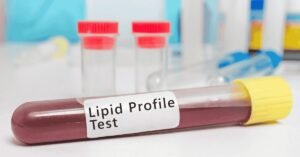
- Lipid profile.
- Liver function tests.
- Kidney function tests.
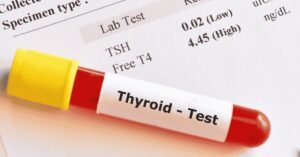
- Thyroid tests.
- Vitamin tests.
- Urine examination.
Knowing the purpose of a test can make its result easier to understand.
3. Look at Your Result
Your test result shows what was found in your sample. Depending on the test, it may appear as:
- A numerical value.
- A percentage.
- A concentration.
- Positive or negative.
- A descriptive finding.
Always read the result with its unit and reference range. Looking at the number alone may give you the wrong impression.
4. Check the Reference Range
The reference range shows values generally considered expected under specific laboratory conditions.
Your result may be shown as:
- Within the reference range.
- Below the reference range.
- Above the reference range.
Keep in mind that reference ranges can vary between laboratories. An individual result must be interpreted according to your health condition and other clinical information.
5. Understand the Units
Units explain how your result has been measured.
For example, laboratory reports may use units such as:
- mg/dL.
- g/dL.
- mmol/L.
- IU/L.
Always check the unit before comparing your result with another report or information found online.
6. Look for Flags and Abbreviations
Some reports use terms or symbols such as:
- High.
- Low.
- H.
- L.
- Positive.
- Negative.
These indicators might show something that needs to be looked at. They do not mean you have a medical condition right away. If you see an abbreviation that you do not understand, you should ask your doctor or the person who works at the laboratory. They can tell you what the indicators and the abbreviation mean for your condition.
7. Read the Comments Section
Some reports include comments about the sample or test findings. These notes can give details that may help your doctor understand the results. In reports, the role of pathologists in reports is very important because pathologists look at lab results and give expert explanations that help with diagnosing and deciding on treatment.
8. Compare Previous Reports Carefully
Analogizing and Understanding pathology reports can help you notice changes over time. When comparing results:
- Check the test name.
- Check the units.
- Review the reference ranges.
- Consider whether the same laboratory was used.
- Look at the dates of testing.
- Discuss significant changes with your doctor.
Small difference between two reports may not always have medical importance.
What to Do If Your Result Is Abnormal?
An unusual result can be concerning, but it is important not to panic.
If your report shows an abnormal finding:
- Check the reference range.
- Confirm the unit of measurement.
- Read the laboratory comments.
- Consider whether you followed any required test preparation.
- Tell your doctor about medicines you take.
- Ask whether repeat testing is needed.
- Follow your doctor’s advice.
Conclusion
Learning how to read and understand your pathology report can make your health information easier to follow. By looking at the test name, the result, the units, the reference range and the laboratory comment, you can get an understanding of the basic information in your report.
However, a pathology report is one part of your overall health assessment. Your doctor may look at your symptoms, your history, your physical examination and other tests before making a decision.
At Get Well Path Lab, regular diagnostic testing can help improve health awareness and preventive care. If you get a report that has confusing result, talk to your healthcare provider to find out what it means and what actions might be right for you.
FAQs
Q: What is a pathology report?
A: The pathology report is a medical document that presents findings from testing the blood, urine, tissue or other biological sample.
Q: Why is it important to understand a pathology report?
A: It assists you know your health information and communicate more effectively with your doctor.
Q: What are the main sections of a pathology report?
A: The main sections usually include patient details, test names, results, units, reference ranges and comments.
Q: How can patients interpret complex medical terms in pathology reports?
A: Patients can ask their doctor or healthcare professional to explain unfamiliar terms in simple language.
Q: Does every pathology report mean cancer or a serious disease?
A: No, pathology reports cover many routine and specialised tests and do not automatically indicate cancer or serious illness.





Add comment