

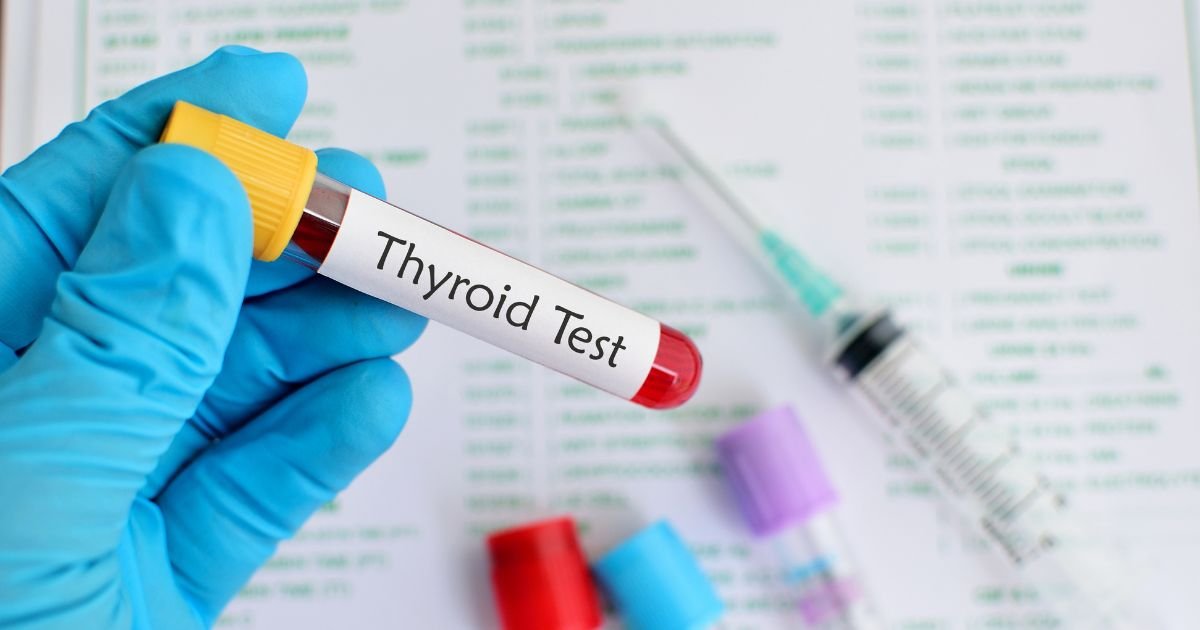
Thyroid Test (T3, T4, TSH): When and Why You Need It
The Thyroid Test, which includes T3, T4, and TSH, is something you might need to get at some point. You are probably wondering when and why you need to have the Thyroid Test done. The Thyroid Test, including T3, T4, and TSH, is used to check how well your thyroid is working. You will need the Thyroid Test, with T3, T4, and TSH, if you have health problems.
It is a simple kind of blood test to figure out the levels of the thyroid hormone and its components. An excess or even a fall of this hormone can bring problems to your metabolism, energy, sleep cycle, mood, and heart health.
Usual symptoms for undergoing a thyroid test
So, usually the doctors will check your health and find out some common thyroid measures or symptoms before recommending the thyroid test. Remember that patients have different kinds of symptoms when thyroid hormones exceed or fall below their normal range.
Let us tell you the kind of symptoms you will get in each of these cases-
Signs of when thyroid gland is underperforming
When your thyroid doesn’t produce enough hormones, your body’s processes slow down. Common reasons for testing include:
- Fatigue
- Weight gain
- Catching a cold and cough easily
- Having memory loss
- Signs of taking stress and depression
- Sky dryness and itching
- Hair fall
- Swelling of the face
- Constipation
- Joint pain
Signs of an excess thyroid hormone
When your thyroid produces too much hormone, your metabolism “runs overtime”. Symptoms that warrant a test include:
- Faster heartbeat
- Sudden drop in weight
- Anxiety
- Restlessness
- Sleep issues at night
- Vision changes
- Feeling fatigued under heat and humid conditions
Details of a thyroid test (T3, T4, TSH)
Let us find out the details of a thyroid test-
TSH (Thyroid-Stimulating Hormone):
It is the hormone that actually makes the thyroid hormone by indicating to the pituitary gland to release the actual thyroid hormone.
T4 (Thyroxine):
The thyroid makes a lot of T4. It does not do much on its own, so it moves through the blood. Then it changes into T3 when the body needs it. T4 is very important because it helps make T3. The thyroid makes T4.
T3 (Triiodothyronine):
The “active” hormone. This is the biologically active form that directly manages your heart rate, temperature, and calorie burning.
Process of undergoing a thyroid test
So, are you about to go through a thyroid test and wonder what it is going to be like? Well, it is a simple prick test where the doctors are going to collect a small amount of blood, usually from the veins. It does not take long, usually less than five minutes, to do a thyroid test. They do a thyroid test by taking a bit of blood, and that is it.
A healthcare professional, like a phlebotomist, does these things. They follow the steps every time. A phlebotomist is a healthcare professional who does this work. The phlebotomist follows these steps when they are working.
Preparation:
- The doctor will take a cloth with some soap on it and clean a small spot on your arm. This spot is usually on the inside of your elbow.
- This is all part of getting ready for what comes with your skin, on the inside of your elbow.
Drawing blood:
- When they do a blood draw, they use a band like a big rubber band around the top part of your arm.
- This helps your veins get bigger and easier to see.
- Then they take a needle and put it into one of your veins to get a little bit of blood, about 3ml, into a small container.
- They call this band a tourniquet.
- The blood draw is a process where they collect blood from your vein into a vial.
Completion:
When it is complete, the doctors will usually put a small band-aid to stop any kind of bleeding.
Undergoing a thyroid test? Know what to tell the doctors
There is no doubt that you will have to share your health details of health with the doctors. They will ask for the medicines that are already in use for curing any other health issues. Make sure to carry all your existing prescriptions with you.
Also mention if you are using any kind of herbal or natural supplement for thyroid issues. You need to follow the instructions of your doctor for the thyroid test.
What to follow a few days before a thyroid test?
Stop taking Biotin Supplements:
Biotin, which is also known as Vitamin B7, is often found in the vitamins that people take for their hair, skin, and nails. These vitamins can make your test results look wrong. They can make your T3 and T4 levels look higher than they really are. They can make your TSH levels look lower than they really are.
Manage Your Thyroid Medication:
If you are taking thyroid medication, like Levothyroxine, your doctor will probably tell you to wait until after you have given a blood sample to take your thyroid medication. This is because taking thyroid medication before the blood test can make your T4 levels go up for a while, which can make the test results wrong.
Fasting Requirements:
So when you are getting a thyroid test, you usually do not have to fast. If you are getting a thyroid test and some other tests at the same time, like a blood sugar test or a lipid profile test, then you will need to fast for a certain number of hours, like 8 to 12 hours.
Consistent Timing:
If you want to get consistent results, especially when you are keeping an eye on a condition that is ongoing, you should have your test done between 7:00 AM and 10:00 AM every time you have a TSH levels test. This way, you can get an idea of what your TSH levels are doing.
Hydration:
It is to maintain a good amount of fluid or water levels in your body. This way, your blood is more viscous, and it is easier for the doctors to get a hold of the veins and to draw out the blood using a syringe.
FAQs:
Q: What is a thyroid test?
A: It is a simple kind of test where the doctors draw blood from your veins and check the thyroid hormone levels.
Q: Why is a thyroid test done?
A: Well, in simple words, the doctors check the levels of thyroid hormone in your body. It is to measure if their levels are in the normal range, have dropped, or exceed the normal levels.
Q: When should I get a thyroid test?
A: Usually, you should get a thyroid test done when you have a few common symptoms. These can range from fatigue, weight loss or gain, hair fall, feeling hot, and so on.
Q: What is the normal range for T3, T4, and TSH?
A: Normal range-
T3- 80 to 200 ng/ dl
T4- 4.5 to 12 ng/ dl
TSH- 0.4 to 4 mlU/L
Q: What do T3, T4, and TSH mean?
A: T3 is known as Triiodothyronine, T4 is called Thyroxine, and TSH is thyroid-stimulating hormone.


About author





Add comment