

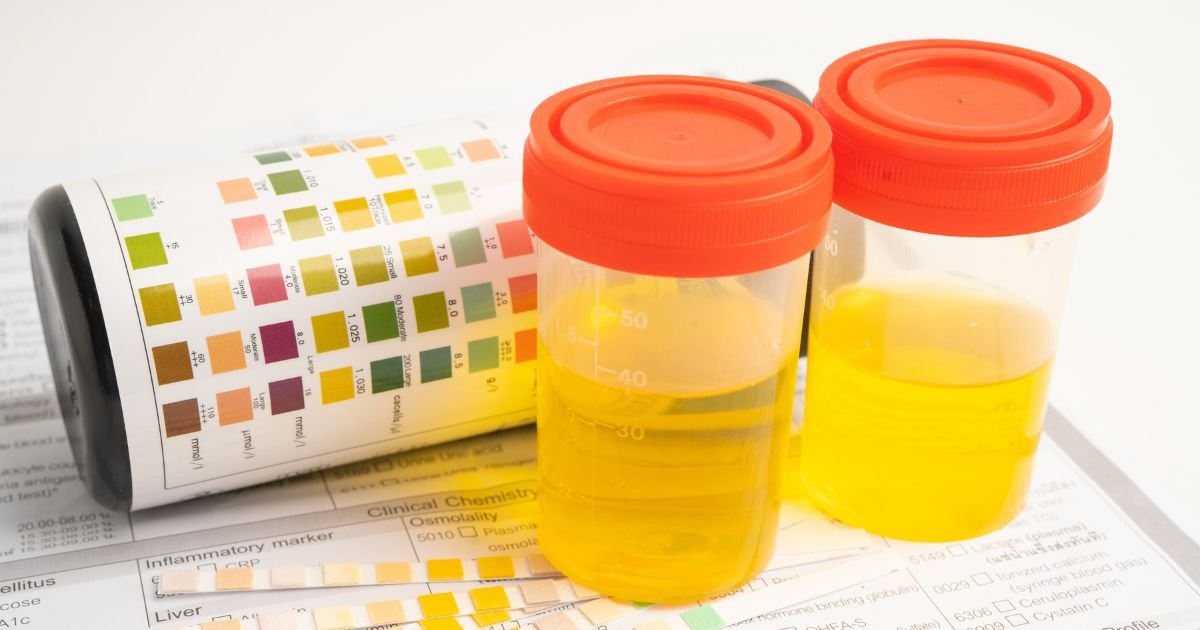
Liver and kidney function tests are very important. As you may know, both these organs do some extremely critical jobs for us to survive and have good health. In simple words, the liver and kidney function tests look at the different function parameters to give an idea of how well the organs are performing in general.
What does a Liver and kidney function test show?
Here are some things that the liver and kidney function tests can show:
• What the liver is doing, its normal function, enzyme levels, and so on.
• What the kidneys are doing, their functioning abilities, hormonal range, and other parameters
What does a liver function test LFT measure?
The liver function test looks at substances in your blood to get information about your liver.
Checks the liver enzymes like
• ALT (Alanine Transaminase): ALT is a good marker for liver damage that only happens in the liver. When we talk about liver damage, the ALT is the test for this.
• AST (Aspartate Transaminase): The Aspartate Transaminase is found in the liver, the heart, and the muscles.
• ALP (Alkaline Phosphatase): This is to check if the bile ducts are okay and if there is any blockage in them. Usually, a high data number for ALP indicates a blockage in the bile ducts.
2. Proteins (Synthetic Function)
These measure the liver’s ability to produce essential substances.
• Albumin is a type of protein that the liver makes. When the levels of Albumin are low, it can mean that you have a liver problem, like liver disease, or that you are not eating well and you have malnutrition. The liver is very important.
• Total Protein: This data indicates the total of albumin and globulin
• Prothrombin Time (PT): You may not know, but the liver produces some types of proteins that are essential for the blood clotting process. One of these essential protein markers is the PT. However, a high PT generally indicates a longer blood clot time.
3. Bilirubin
• Bilirubin: This is a kind of waste product that the liver has to process. If not, then it usually leads to jaundice. The liver function test, or LFT, helps the doctor to see if the liver is working properly.
• The liver function test, or LFT, can show the doctor if the liver is damaged or not. The doctor will recommend the liver function test, or LFT, to check for liver damage.
Why do the doctors recommend an LFT?
To Investigate Symptoms
- Yellowing of skin
- Pain or swelling in the belly area
- Nausea
- Vomiting
- Loss of appetite
- Pale color in stools
- Dark color of urine
- Fatigue
To Monitor Medications
Doctors use LFTs to ensure your liver remains healthy while taking medicines like-
- Statins
- Some types of antibacterial medicines
- Pills for tuberculosis
- Some medicines for curing seizures
To Manage High-Risk Factors
In some people, the doctors may recommend an LFT right away if you have-
- A severe addiction to alcohol
- Already suffer from major metabolic disorders like diabetes, severe depression, or obesity.
- Have a family history of suffering from liver issues
A kidney function test (KFT)- What does it measure?
So, a KFT or a kidney function test is also referred to as a renal function test. It is because the kidneys do the work of filtering out waste products from your body through urine, and also do a good job at maintaining your body’s electrolytic balance.
The main things we look at are the components. These main components include:
Primary Filtration Markers (Blood)
• Serum Creatinine is a test that checks for a thing in your blood. Your kidneys are supposed to get rid of it. If your Serum Creatinine levels are high, that means your kidneys are not doing their job of filtering your blood.
• eGFR (Estimated Glomerular Filtration Rate): This is usually what doctors consider the way to figure out how well your kidneys are working.
Early Damage Markers (Urine)
• Urine Albumin, also known as Microalbuminuria, is a test that looks for a protein called albumin in your Urine Albumin.
• uACR (Urine Albumin-to-Creatinine Ratio): A precise way to measure protein leakage relative to waste concentration.
Balance and Chemical Markers
• Electrolytes: These are vital for our nerve and muscle function. We need electrolytes to be healthy. The kidneys make sure we have the right amount of sodium, potassium, and chloride.
• Uric Acid is something doctors check for because they want to see if it is building up in your body. • Minerals: checks for the amount of calcium and phosphorus in the kidneys.
Why does a doctor recommend the KFT test?
To Screen for Chronic Conditions
If you have underlying health issues that put “stress” on the kidneys, regular testing is mandatory.
• Diabetes is a problem because it can cause high blood sugar. This high blood sugar can really hurt the kidneys.
• Hypertension or High Blood Pressure is a problem for our kidneys. It is the leading cause of kidney failure. This happens because Hypertension damages the blood vessels in our kidneys.
To Investigate Physical Symptoms
Symptoms often don’t appear until kidney damage is advanced. A doctor will order a KFT if you report:
- Swelling of the hands and feet
- Urine changes like foamy urine, weak flow, and dribbling at the end of urination
- Fatigue
- Pain in the lower back area
FAQs
Q: What are liver and kidney function tests?
A: They are tests to check the overall function parameters of the liver and the kidneys.
Q: What does the liver function test (LFT) include?
A: It includes tests to check hormones like bilirubin, albumin, and prothrombin, along with several other parameters.
Q: What does the kidney function test (KFT) include?
A: A KFT checks for creatinine, albumin, the ratio of these two, and the amount of minerals and electrolytes.
Q: How can I improve liver and kidney health?
A: Eating a healthy diet, getting rid of alcohol, and exercising with yoga are the keys to having a healthy liver and kidneys.
Q: How often should I get LFT or KFT?
A: In case you do not have any health issues, a test done every few years is fine.



Add comment