

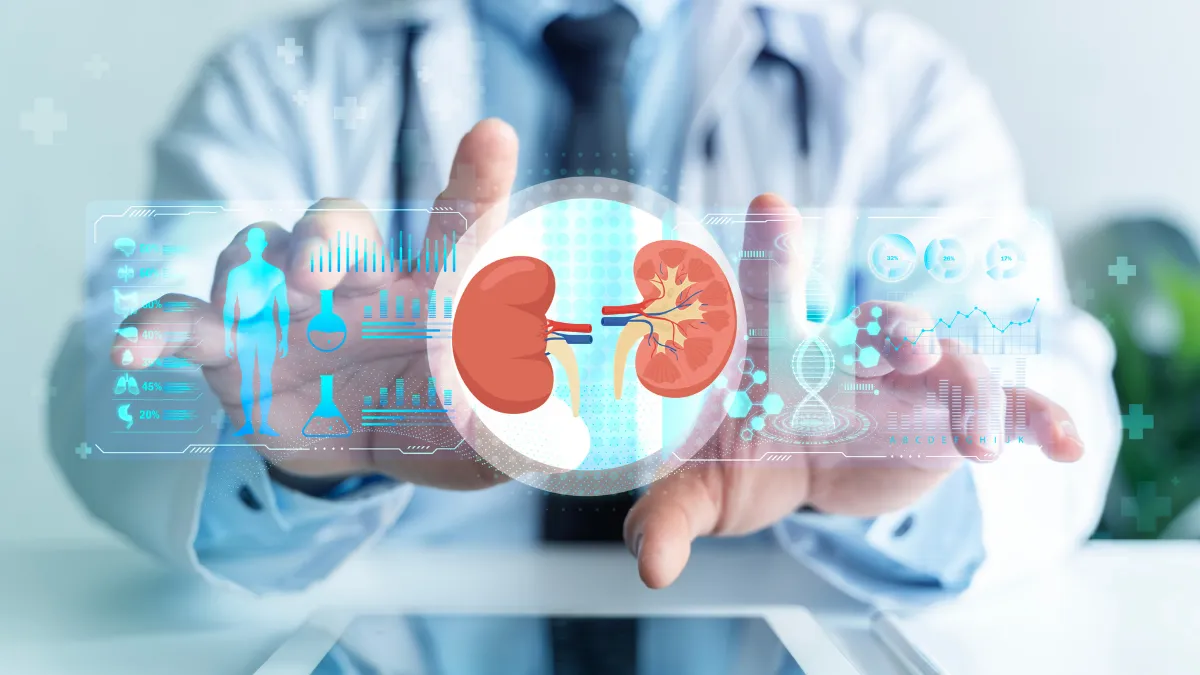
Testing of Kidney Function
Many people may not know when their kidney function was last tested. Because the kidneys don’t cause pain or obvious symptoms, many people may not realise they need testing.
Nevertheless, kidney damage can develop without producing any symptoms. By the time symptoms show up, considerable damage may already have taken place. Kidney function tests are able to detect changes in kidney function at an early stage.
What Role Do the Kidneys Play?
Each kidney is about the size of a fist. Besides producing urine, they carry out many functions, including:
- Removing waste and excess fluids from the blood.
- Balancing various electrolytes and minerals in the body (such as sodium and potassium).
- Assisting in the regulation of blood pressure.
- Producing a hormone that stimulates the production of red blood cells.
- Keeping bones healthy by activating vitamin D.
If the kidneys start to fail, waste will accumulate in the body. This can lead to problems with energy levels, the heart, bones and just about everything else.
What Is Kidney Function Testing?
Kidney Function Testing consists of a series of blood and urine tests. These tests can be combined into a profile. In laboratories, this is often called a KFT or RFT (Renal Function Test).
Doctors can use it to get a general picture of kidney health, track kidney conditions, and observe how the body is responding to particular treatments.
What is involved?
Kidney function tests usually include the following:
- Creatinine (muscle waste) – rises in the blood when kidney function is reduced.
- BUN (Blood Urea Nitrogen) – rises in the blood when kidney function is reduced.
- Uric Acid – elevated levels may point to kidney problems or gout.
- Sodium, Potassium and Chloride – electrolytes that the kidneys keep in balance within the body.
- Calcium and Phosphorus – frequently out of balance in patients with poor kidney function.
- eGFR – An estimate of how much blood the kidneys filter each minute.
- Urine Tests – Routine Urine Test and Albumin in Urine Test to check for protein.
Urine tests for kidney function are extremely important. Protein in the urine is often an early indicator of kidney damage.
Who should undergo these tests?
Although older people should be tested, you should consider kidney disease testing if you:
- Have diabetes or high blood pressure.
- Have a family history of kidney disease.
- Are over the age of 40 or 50.
- Have heart disease.
- Are overweight or smoke.
- Frequently take painkillers such as ibuprofen or diclofenac.
- Have you ever had kidney stones or frequent urinary tract infections?
- Have you ever found protein or blood in your urine?
In India, diabetes and high blood pressure are the main causes of kidney damage. If you have either of these conditions, regular testing is essential.
Symptoms
In its early stages, kidney disease may cause no symptoms at all. However, symptoms that appear later may include:
- Swelling in the feet, ankles, or around the eyes
- Foamy or bubbly urine
- Passing urine more or less often (especially at night)
- Blood in the urine
- Fatigue
- Itching
- Nausea or loss of appetite
- Poor concentration
- High blood pressure that is difficult to manage
If any of these symptoms occur, consider getting tested. Don’t wait until you have several symptoms.
Benefits of Regular Testing
Although damaged kidney tissue usually cannot regrow, early detection can greatly slow the damage and, in some cases, prevent it. Keeping blood sugar and blood pressure under control, along with small dietary adjustments and suitable medication, can help preserve the kidney function that remains.
Testing on a regular basis also makes it possible to track trends. Over time, a gradual drop in eGFR becomes easier to identify.
How is the test carried out?
A small quantity of blood is drawn from a vein in your arm, and a urine sample is collected in a clean pot. Each of these takes only a few minutes. If you live in Noida, Greater Noida, Greater Noida West or the surrounding areas, Get Well Path Lab can collect a sample at your home. You will be able to check your results online.
Frequently asked questions
Q: What is a kidney function test?
A: A blood sample is taken and levels of waste products and electrolytes (creatinine, urea and electrolytes) are measured in order to assess kidney function.
Q: Why is this a useful test?
A: Kidney disease often has no symptoms in early stages, so doing regular blood tests means issues can be picked up earlier.
Q: What does it test?
A: Creatinine, urea, uric acid, electrolytes, calcium, phosphate and eGFR. Many tests will include a urine test.
Q: Who should have a kidney function test?
A: Those with diabetes or high blood pressure, those with heart problems or those with a family history of kidney issues. It is also recommended for people over the age of 40 or those that regularly take pain killers.
Q: What symptoms would indicate kidney issues?
A: Swelling in feet/face, frothy urine, frequency of peeing, tiredness, itchy skin, nausea, high blood pressure. Often people with kidney issue do not have symptoms in the early stages.
Q: What does creatinine tell us?
A: Increased levels of creatinine suggest impaired kidney function. Normal ranges depend on age, gender and muscle mass in the body. Best to consult your doctor for an accurate interpretation of this test.
Q: What is eGFR?
A: This stands for Estimated Glomerular Filtration Rate. The result is based off creatinine levels, age and gender. The result tells us how efficiently the kidneys are filtering. Usually, if the result is 90 or above then the kidneys are functioning normally. However if results are under 60 for 3 months or more, this may suggest a chronic kidney disease.
Q: Do I need to fast?
A: Not generally. However if you have had a heavy meaty meal or intense exercise short whilst before the blood test, there may temporarily be raised creatinine levels. It is fine to drink water, but if you are on any medications you must state this to the labs.
Q: How regularly should I get these tests?
A: If at-risk people should have tests every year. Those who have kidney issues may be advised by their doctor to have tests every 3-6 months.
Q: How can I look after my kidneys?
A: Keep blood sugar and blood pressure tightly controlled. Ensure you drink lots of water, reduce salt intake, maintain activity and do not smoke. Avoid regular pain killer intake without medical advice.
Add comment