

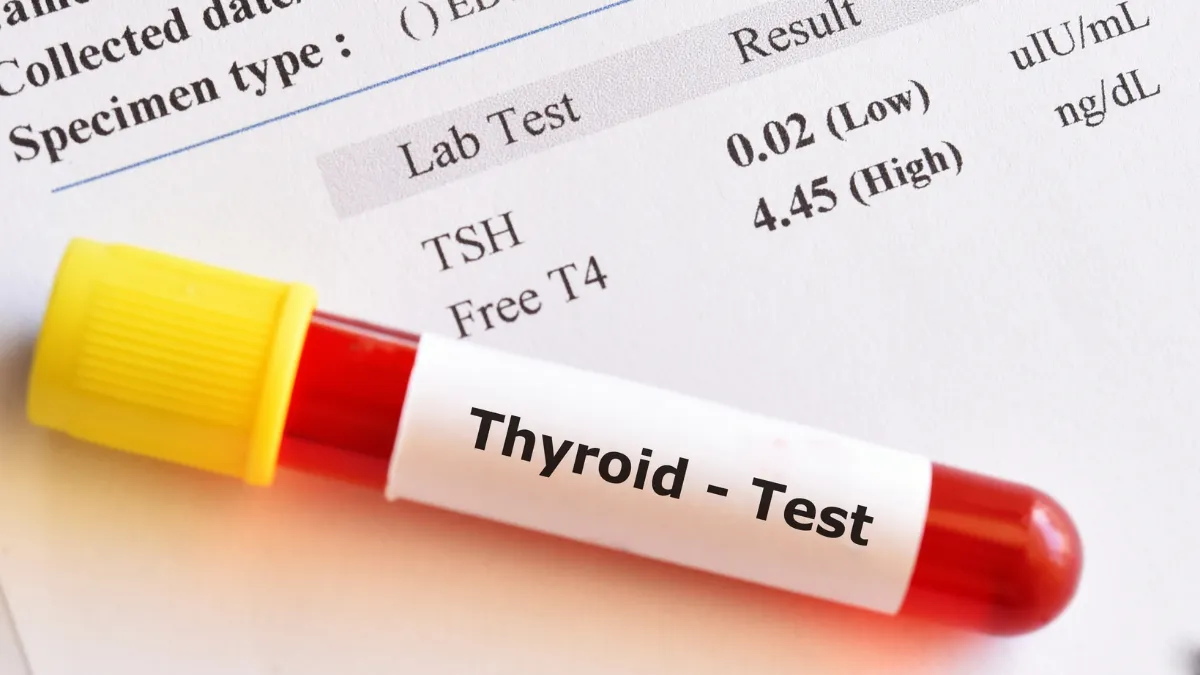
Why should I have a thyroid profile?
Feeling very tired? Or maybe gaining/losing weight, feeling sweaty and very jumpy? While we may often attribute these symptoms to stress, aging or a busy lifestyle, they could be caused by issues with the thyroid gland in your neck.
What is a thyroid profile?
A thyroid profile blood test tells us how well your thyroid is function. It measures hormone levels in the thyroid gland itself and the levels of signals sent by the brain.
The thyroid plays a key role within the body. It affects our heart rate, temperature, digestion, mood, energy levels and calorie burning. If there is either too little or too much of the hormone it produces, it can cause symptoms in almost every part of the body. Therefore, having a thyroid profile check can be a good way to monitor overall health.
What is tested?
The standard thyroid profile includes:
TSH – Thyroid stimulating hormone. This is produced in the pituitary gland in the brain. It tells the thyroid how much hormone to produce. Usually this is the first result looked at.
T3 – Triiodothyronine. This is an active hormone in the thyroid which regulates metabolism.
T4 – Thyroxine. The main hormone released in the blood stream by the thyroid.
Free T3, free T4 and antibody tests may also be requested depending on what information your doctor requires.
Who should be tested?
Many people suffer from thyroid issues. Women are more likely to suffer than men. If any of the following apply to you, you may want to consider a thyroid imbalance test;
- Are female and aged over 35
- Have a history of thyroid issues in the family
- Are pregnant or planning a pregnancy
- Irregular period or difficulties in becoming pregnant
- Suffer from diabetes or another auto-immune condition
- Have swelling/lump in neck
- Rapid weight loss/gain with no obvious cause
- Currently taking thyroid medication
Symptoms of a thyroid imbalance
Depending on whether you have an overactive or underactive thyroid, symptoms may differ:
Underactive thyroid (Hypothyroidism)
- Fatigue
- Weight gain
- Cold intolerance
- Dry skin and hair loss
- Constipation
- Low mood and/ or poor memory
Overactive thyroid (Hyperthyroidism)
- Weight loss, despite eating normally
- Rapid or irregular heart beat
- Excessive sweating and heat intolerance
- Anxious, restless, shaking hands
- Poor sleep
- Loose stools
Due to overlap in symptoms between many different conditions, it is important to have this test. We do not recommend guessing.
Why regular testing is important
Thyroid issues often develop gradually and so many people can be living with a thyroid issue for a long time without knowing. They may simply put it down to being tired or getting older. However, leaving thyroid issues untreated can cause issues with the heart, cholesterol levels, fertility, bone health and mental health.
Most thyroid conditions are easy to treat and manage. Usually treatment involves taking a tablet once per day. Regular blood tests allow the doctor to optimise the dosage of medicine. If you can trust a thyroid testing laboratory, it makes this process much easier. Accurate and consistent results are essential in ensuring that the right dosage is being taken.
How to test
A small amount of blood will be required from your arm. The appointment will only take a short amount of time. At Get Well Labs, we offer local sample collection in Noida, Greater Noida, Greater Noida West and surrounding areas, with online results.
Frequently asked questions
Q: What is a thyroid profile?
A: A thyroid profile is a blood test to determine how well the thyroid is functioning. TSH, T3 and T4 levels are measured.
Q: Why is a thyroid profile important for monitoring general health?
A: The thyroid affects many things including energy levels, weight, heart rate, mood and digestion. Having a test can allow issues in the thyroid to be detected early, meaning they do not cause further issues in other parts of the body.
Q: What tests are in a thyroid profile?
A: TSH, T3 and T4 are all included in a standard profile. Some packages include Free T3, free T4 and antibody tests.
Q: What is a TSH test?
A: This measures the levels of Thyroid stimulating hormone. High levels of TSH in the blood may indicate an underactive thyroid. Low levels may indicate an overactive thyroid.
Q: What are common symptoms of thyroid issues?
A: Tiredness, weight changes, hair loss, mood changes, excessive heat/cold intolerance, irregular periods. Swelling in the neck.
Q: Who should be tested?
A: Those who are female and over 35, pregnant, have a family history of thyroid problems or experience any of the symptoms above.
Q: Do I need to fast for this test?
A: You generally do not need to. However if you are currently taking thyroid medication or biotin supplements, please inform the laboratory. Ask your doctor if you should take your medication before or after the blood test.
Q: How often should I be tested?
A: Healthy adults can be tested every 1-2 years. If you are over 35 it may be recommended to be tested more regularly. If you are on treatment, you may be requested to be tested every few months until your levels stabilise.
Q: Can a thyroid test detect Hypo/Hyperthyroidism?
A: Yes! It can detect if you have too little/too much hormone in your thyroid. Your doctor will compare the results with your symptoms.
Q: How can I ensure healthy thyroid function?
A: Ensure you eat iodised salt, a balanced diet, get enough sleep, manage stress, do not smoke and always take your prescribed medication. Do not take thyroid supplements without medical advice.



Add comment