
Why Get Tested?
If you have symptoms like a high temperature, or a persistent cough or a sore throat then getting an RT-PCR test can give you a good indication on what illness may be afflicting you. It can help you figure out if you might have a common virus like the Common Cold or Flu or a more serious illness.
Although you may be familiar with this test due to the recent global pandemic, it can be used for many illnesses. Read on to understand more.
What is an RT-PCR Test?
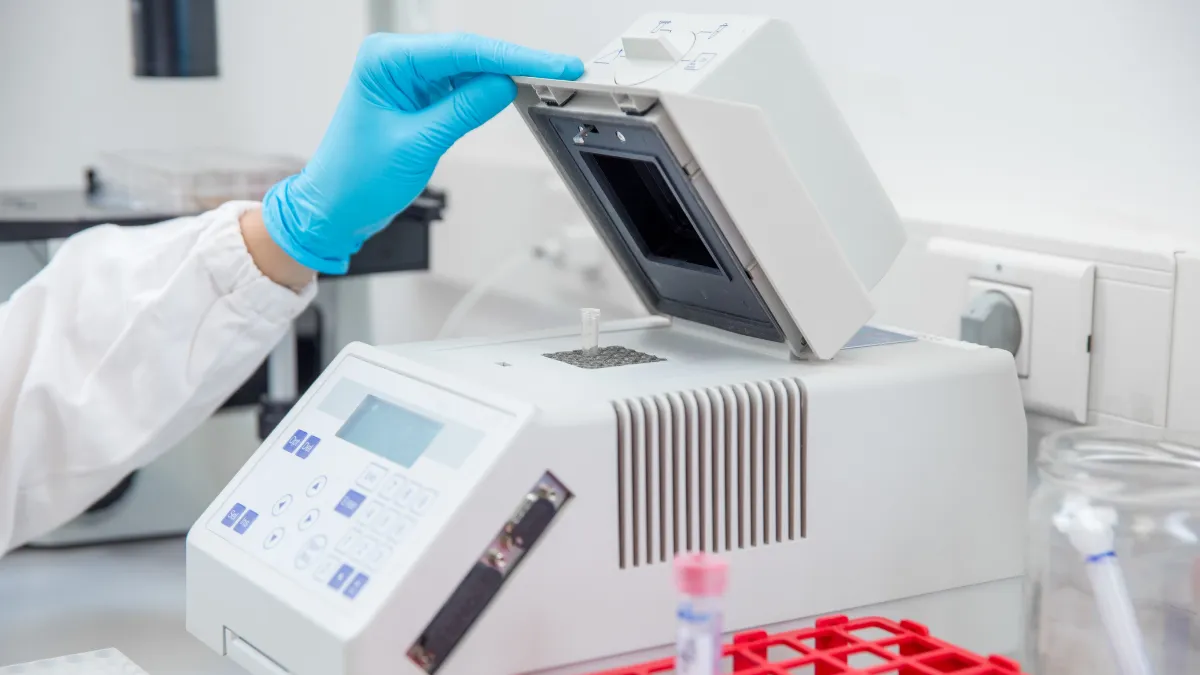
RT-PCR (Reverse Transcription Polymerase Chain Reaction) is a type of molecular test. It attempts to detect viruses by identifying their genetic material.
As many viruses contain RNA as their genetic material, this is first turned into DNA (hence ‘reverse’ transcription). DNA copies are made in large quantities so any small amounts of virus in the sample can be easily detected. This means that the test is very sensitive and can identify small amounts of virus to confirm an infection.
Who should get this test?
You may wish to get an RT-PCR test if you:
- Have symptoms including: high temperature, coughing, difficulty breathing, body pain, loss of taste/smell.
- Have had close contact with someone who has tested positive.
- Are travelling somewhere and need to provide a negative result.
- Going in for surgery/admission to hospital.
- Working in healthcare, hospitality or other public-facing roles.
- Living with elderly or immunocompromised members of the family.
Why is it important?
It allows for early and accurate diagnosis. If you have tested positive, you can isolate and protect your family while also beginning appropriate treatment. If you test negative you can seek alternative causes for symptoms and reduce the stress caused by uncertainty.
This test is very reliable at confirming active infections, and so is heavily relied on by medical professionals and health authorities.
What can it detect?
While it is best known for detecting COVID-19, RT-PCR tests can detect many RNA infections. Depending on what test is requested, this may include:
- SARS-CoV-2 (COVID-19)
- Flu viruses
- Dengue
- Hepatitis C and HIV (To measure viral load).
Speak to your doctor to find out what test is best for your symptoms.
How it is carried out
An RT-PCR sample can be taken very easily. A specialist takes a sample from either your nose, throat, or both using a very soft and thin swab. This takes less than a minute.
The sample will then be sealed and labeled and sent to the lab. At Get Well Labs we can take samples from you in the comfort of your own home/office in Noida, Greater Noida, Greater Noida West and surrounding areas. This means that you save the hassle of attending a busy waiting room whilst feeling unwell.
Test Result
Results are typically available within 24 hrs. However, results can often be returned quicker.
- Positive: Virus genetic material was detected. You likely have an active infection.
- Negative: No virus was detected.
- Unclear: An unclear result was obtained. You may require a new sample.
Please note that this test is not 100% accurate. If you are experiencing symptoms but received a negative result, please speak to your doctor. You may have taken the test too early, or not enough of the virus was picked up in the sample.
FAQs
Q: What is a RT-PCR test?
A: A molecular test, that is, a test that is able to detect the genetic material of the virus in a swab/sample of blood. Very sensitive, and widely employed to confirm active infections.
Q: Why is an RT-PCR test important?
A: It can accurately and quickly confirm an infection. This means that treatment can begin sooner and prevents spread of the virus to others.
Q: What is an RT-PCR test?
A: A health care provider takes a swab from your nose/throat. The sample is then sent to the laboratory where there are copies of the virus genetic material made and can be detected.
Q: RT-PCR is the acronym for what?
A: RT-PCR: reverse transcription polymer chain reaction.
Q: What type of diseases does it identify?
A: It’s most often used for detecting COVID-19. However, it can be used to detect other illnesses including Flu, Dengue and viral infections such as Hepatitis C and HIV.
Q: How long does it take?
A: Typically 24 hours. However, the time may vary depending on the lab and number of samples being processed.
Q: Is it painful?
A: No. A nasal swab can be uncomfortable and ticklish; however, it will only last a few seconds.
Q: What does a positive result mean?
A: Virus genetic material was detected. You likely have an active infection. Please isolate and speak to a doctor to find out what to do next.
Q: What does a negative result mean?
A: No virus was detected. If you are still experiencing symptoms please speak to your doctor as sometimes very early infections can lead to a false negative, or there may not have been enough virus in the sample.
Q: Do I need to prepare in advance?
A: Typically no. However, it is best to refrain from using mouthwash/gargling if a throat swab is required. Please refer to any guidelines given by your lab.
Add comment