

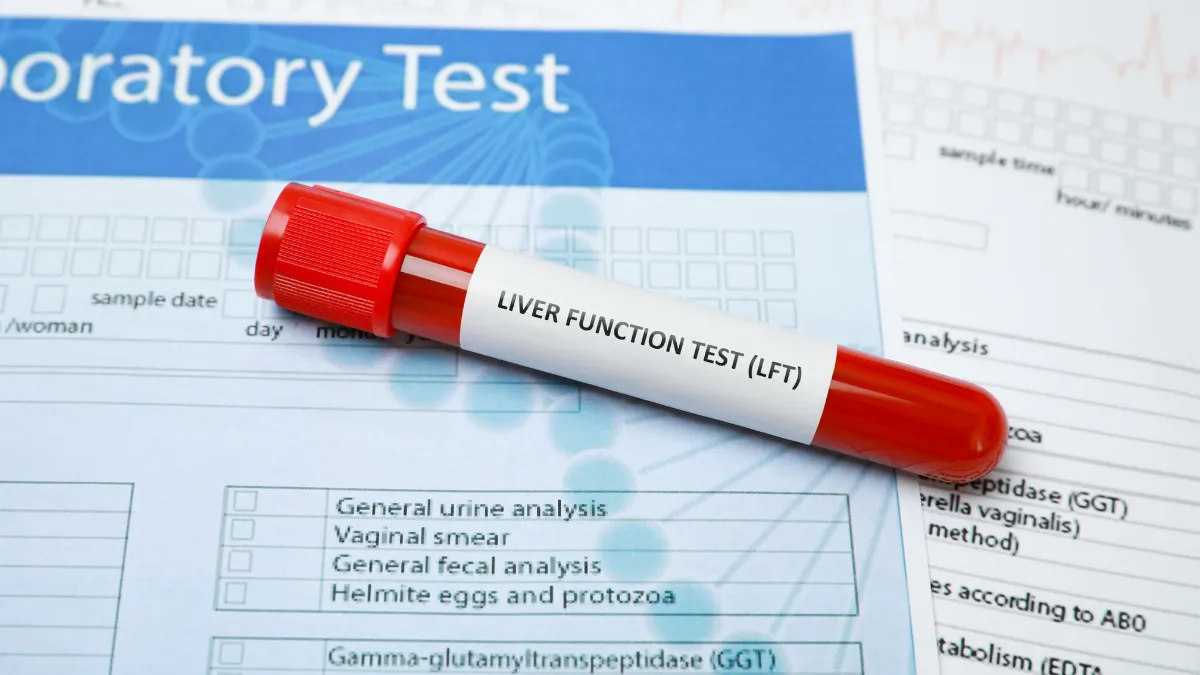
It filters your blood, helps digest food, stores energy, and clears out toxins, all without asking for attention. The catch is that it rarely complains until something is seriously wrong. That’s why a Liver Function Test In Alpha I is one of the simplest ways to check in on an organ you can’t feel.
If you live in or around Greater Noida, getting a liver health test is easier than most people think. Here’s what the test involves, what the numbers mean, and when it makes sense to book one.
What Is a Liver Function Test?
A Liver Function Test is a blood test to measure enzyme, protein and other substances in liver. It can tell us if your liver is functioning normally, stressed or is showing early signs of damage.
It’s also a useful form of liver disease screening. Many liver conditions, including fatty liver, develop slowly and without symptoms. A blood test can flag a problem months or even years before you’d notice anything.
What Does the Test Measure?
A standard panel usually includes:
- SGPT (ALT) and SGOT (AST): enzymes that leak into the blood when liver cells are irritated or damaged.
- ALP (Alkaline Phosphatase): linked to the liver and bile ducts, and also to bones.
- GGT: often rises with bile duct problems or heavy alcohol use.
No single number tells the whole story. Doctors look at the pattern.
Signs Your Liver May Need Attention
Symptoms often show up late, but they’re worth knowing:
- Yellowing of the skin or eyes
- Persistent tiredness
- Dark urine or pale stools
- Swelling in the legs or abdomen
- Nausea, loss of appetite, or pain in the upper right abdomen
- Itchy skin without an obvious cause
If any of these sound familiar, don’t wait for your annual checkup.
Why Getting Tested Matters
Early detection changes outcomes. Fatty liver, for example, is often reversible when caught early, through diet, exercise, and weight management. Left alone, it can progress to inflammation and scarring. A Liver Function Test In Alpha I gives you a baseline, and tracking it over time shows whether your habits and treatments are working.
Frequently Asked Questions
1. What is a Liver Function Test (LFT) In Alpha I?
A: This is a blood test to determine how well your liver is functioning. Enzymes, proteins and bilirubin will be measured.
2. Why is it important to have a Liver Function Test In Alpha I?
A: It can detect stress or damage to the liver before any symptoms are present allowing early treatment and lifestyle changes.
3. What parameters are measured in a Liver Function Test In Alpha I?
A: Usually SGOT, SGPT, ALP, GGT, Bilirubin Albumin, Total Protein and Albumin Globulin Ratio. However different labs will have slightly different panels.
4. What are some common symptoms of liver problems?
A: Jaundice, tiredness, dark urine, pale stools, bloating, nausea, itching and pain in the upper right area of the abdomen.
5. Can a Liver Function Test In Alpha I detect liver disease?
A: It can tell us that something is wrong for example inflammation, bile duct problems or decreased liver function but it does not tell us what the exact disease is. Your doctor may recommend having an ultrasound or further tests.
6. What do SGOT and SGPT show in an LFT In Alpha I?
A: These are enzymes in liver cells. Elevated levels usually indicates inflammation or damage to liver cells. This can be caused by fatty liver, hepatitis, alcohol, medication etc. SGOT can also come from muscles and the heart, so doctors read it alongside SGPT.
7. Do I need fasting before a Liver Function Test In Alpha I?
A: Often not, but some labs or combined panels (like a lipid profile or blood sugar test) ask for 8 to 10 hours of fasting. Check the instructions when you book, and drink water as usual.
8. Who should get a Liver Function Test In Alpha I?
A: People with symptoms, those who drink alcohol regularly, anyone with diabetes, obesity, high cholesterol, or a family history of liver disease, and people taking long-term medication. It’s also sensible for anyone wanting a general health baseline.
9. How regularly should I have a Liver Function Test In Alpha I?
A: Healthy adults can usually have this test every 1-2 years or as advised by your doctor. If you have a liver problem or risk factors then your doctor may recommend more regular testing.
10. How can I look after my liver In Alpha I?
A:
- Eat a healthy diet full of vegetables, fruits and wholegrains.
- Drink little alcohol or none as advised.
- Be physically active and maintain a healthy weight.
- Be cautious when taking painkillers, supplements and herbal products, don’t take too much.
- Have the Hepatitis A and B vaccinations.
- Have regular check





Add comment