
How Kidney Function Tests Monitor Your Kidney Health
Kidneys are very important for keeping the body in shape. They clean the blood, get rid of water, keep minerals in balance and help keep blood pressure normal. Kidney issues can happen over time. In situations, there are not many obvious signs in the beginning. That is why lab tests can be helpful. A Kidney health test can show how well the kidneys are working and if there are signs that the kidneys are damaged.
Who May Need Kidney Health Test?
Kidney testing may be recommended for people who have higher risk of kidney problems. This includes people with:
- Diabetes
- High blood pressure
- Heart disease
- A family history of kidney disease
- Previous kidney problems
- Symptoms linked to changes in kidney function
What Is Kidney Function Testing?
Kidney function testing includes blood and urine tests that assess different aspects of kidney health. No single test provides a complete picture in every situation.
Blood tests mainly measure substances that build up when kidney filtration decreases. Urine tests can look for proteins or other changes that may indicate kidney damage.
Common tests include:
- Serum creatinine
- Estimated glomerular filtration rate
- Blood urea nitrogen
- Urine albumin to creatinine ratio
- Electrolytes such as sodium and potassium
Important tests included in the kidney profile can vary according to the person’s health, illness and the reason for testing.
Why Are This Tests Important?
kidneys can lose function without causing obvious symptoms. People may feel healthy while changes are already occurring.
Testing provides measurable information that can help doctor:
- Check kidney filtration
- Look for possible kidney damage
- Monitor an existing kidney condition
- Follow changes in kidney function over time
- Decide whether additional evaluation is needed
Test results should always be considered with other clinical information. One unusual result does not automatically mean that person has kidney disease.
What Are the Tests for Kidney Disease?
There are tests for kidney disease, and the right mix of tests depends on persons condition.
- Blood tests can measure creatinine, BUN, electrolytes and other substances. These results give information about how the kidneys working.
- Urine tests can detect albumin, blood, protein and other problems. They help us see if the kidneys might be damaged.
- If a doctor needs to see the shape of the kidneys, imaging tests may be suggested. An ultrasound is one example. It helps find changes, kidney stones, cysts or blockages in the urine flow.
- Kidney biopsy is used in some cases. A small piece of kidney tissue is looked at under a microscope to find out why a kidney problem is happening. Not everyone who has a blood or urine result needs these extra tests.
Can Kidney Tests Detect Kidney Disease Early?
They can assistance spot kidney problems before symptoms start to show. Kidney disease in the stages often doesn’t cause obvious signs in the body. Even when someone feels fine, lab tests might show kidney filtration or more albumin in the urine. This is especially important for people with diabetes or high blood pressure.
Regular testing allows healthcare professionals to spot changes that need look. Finding something doesn’t always mean a serious condition is present. Irregular results may need to be checked or followed up with more tests.
What Symptoms May Indicate Need for Kidney Testing?
Kidney disease does not always cause symptoms at first. When signs occur, they can vary depending on the primary problem.
Possible warning signs include:
- Changes in the amount or frequency of urination
- Blood in the urine
- Persistent tiredness
- Changes in urine appearance
- Frequent urination, especially at night
- Nausea or reduced appetite
- Persistent high blood pressure
These symptoms can also occur with other health conditions. A medical evaluation is needed to identify the actual cause.
Kidney Health Screening for People at Risk
Kidney health screening can be helpful if a person has risk factors that are known. For example, diabetes can hurt the blood vessels in the kidneys as time goes by. High blood pressure can also add pressure to the kidneys.
People who have these issues might need to get blood and urine tests even if they feel fine. The schedule for testing should be chosen by a healthcare professional. It can vary based on age, current health problems, past test results, medicines being, and other health matters.
How to Prepare for Kidney Testing?
Preparation depends on the tests being performed.
Before your test:
- Follow any fasting instructions provided by the laboratory.
- Drink water normally unless your doctor advises otherwise.
- Inform your healthcare provider about medicines and supplements.
- Follow the laboratory’s instructions for urine collection.
- Tell the healthcare professional about any existing medical conditions.
Do not stop prescribed medicines unless your doctor specifically advises you to do so.
Understanding Your Kidney Test Results
Kidney test results should not be looked at using one number. For example, a creatinine result can be influenced by things than kidney function. The same is true for eGFR, which’s only an estimate. It is best to look at eGFR along with test results. Doctors often compare results with older reports to see how things have changed.
They also take into account blood pressure, whether a person has diabetes, medicines being taken, symptoms and urine test results. If a result is outside the lab’s reference range, it does not always mean someone has kidney disease. Your healthcare provider can explain what the result means for your situation.
Kidney Testing at Get Well Path Lab
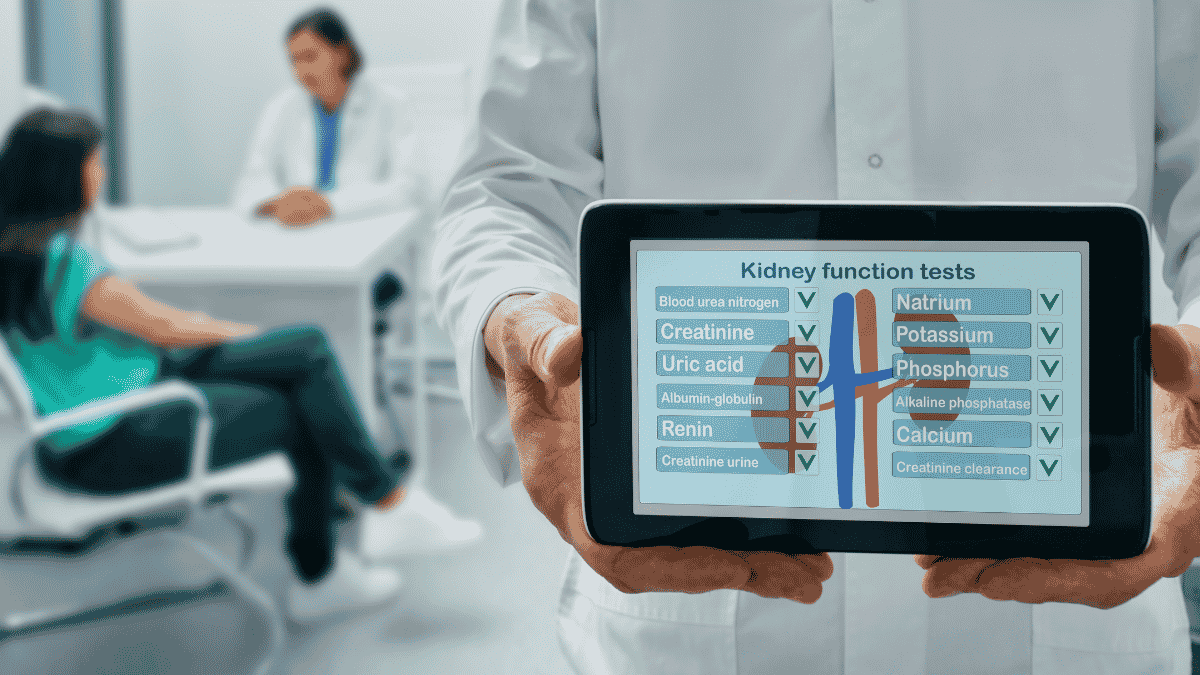
Get Well Path Lab offers testing to help patients keep track of key health indicators. One of their services is the kidney function profile, which looks at important measures to check how well the kidneys are working. Depending on the profile chosen, the test may include readings for blood urea, serum creatinine, BUN, uric acid, calcium, phosphorus, sodium, potassium and chloride.
Patients can reach out to Get Well Path Lab to learn about the kidney testing options and to find out more about sample collection. If you are facing symptoms or have risk factors for kidney disease, it’s an idea to talk with the qualified healthcare qualified, about your testing needs.
Key Points to Remember
- Kidney tests assess filtration and look for signs of kidney damage.
- Diabetes and high blood pressure can increase the risk of kidney disease.
- One abnormal result does not confirm kidney disease.
- Test results should be interpreted with other health information.
- The right testing schedule depends on individual risk and medical advice.
Conclusion
Kidney function can change slowly and often without signs. Blood tests and urine tests give clues about how well the kidney filters and whether there is possible kidney damage. Kidney health test is especially useful for people who have risk factors like diabetes, high blood pressure or family history of kidney disease. If you worry about your kidney health, talk to your healthcare provider about the tests for your kidney. Get Well Path Lab offers testing and easy sample collection to help with routine health monitoring. Understanding your kidney test results with guidance can help you make informed steps toward better health.
FAQs
Q: What tests are included in kidney function testing?
A: Kidney function testing may include creatinine, eGFR, BUN, urine albumin, UACR, and electrolyte tests.
Q: Can kidney function tests detect kidney disease early?
A: Yes. Blood and urine tests can identify some changes in kidney function or kidney damage before noticeable symptoms appear.
Q: What symptoms may indicate need for kidney testing?
A: Swelling, changes in urination, blood in urine, persistent tiredness, and high blood pressure may require medical evaluation.
Q: Where can I get kidney function test?
A: Kidney testing is available at diagnostic laboratories such as Get Well Path Lab. Your doctor can advise which tests are suitable for you.
Q: Why is the kidney function test important?
A: It provides information about kidney filtration and can help identify possible kidney damage or changes that need further evaluation.

About author


Add comment