
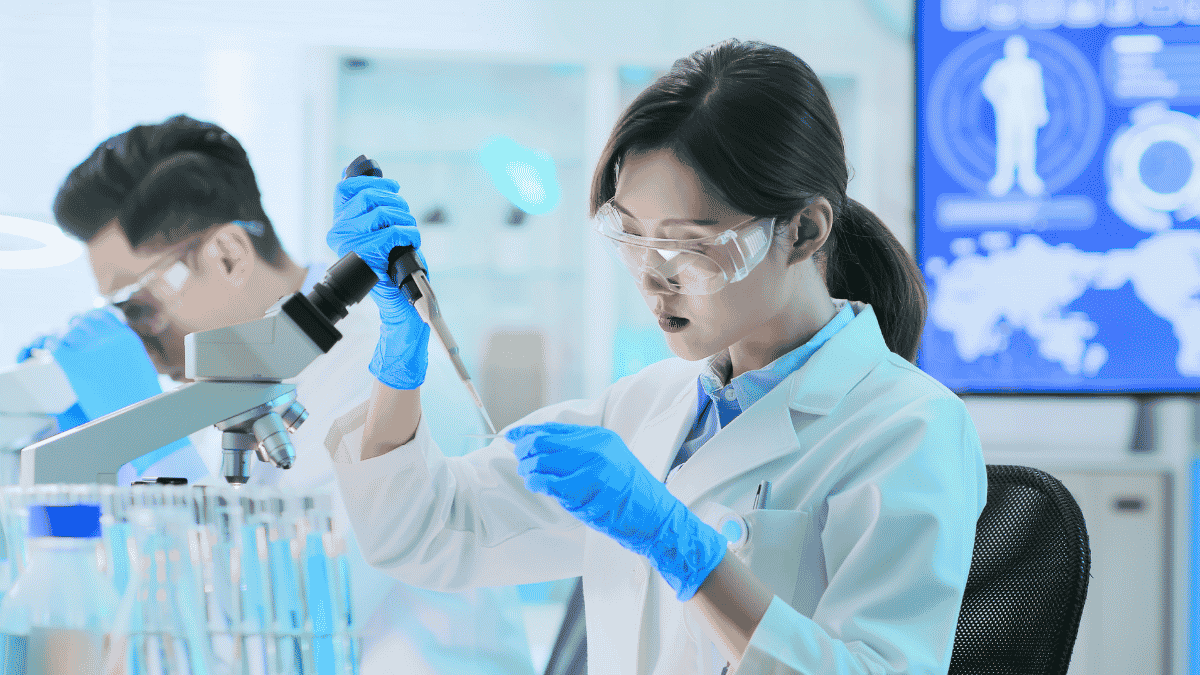
Healthcare today needs doctors to know what is wrong with a patient. Doctors usually need to get information from labs to understand what is going on with a patient. This is where pathologists come in.
They look at blood and tissues to help doctors make decisions about how to treat a patient. Understanding the Pathologist’s Role in Modern Healthcare helps patients see why diagnostic services are so important to get care.
What Does Pathologist Do?
The role of pathologists in diagnosis is really important because they look at samples and find changes that are connected to diseases. Their results can help doctors confirm suspected condition and determine the next steps in the patient’s care.
A pathologist may:
- Examine blood and body fluid samples.
- Study tissues and cells for abnormal changes.
- Support cancer diagnosis and classification.
- Identify signs of infections.
- Help detect blood-related disorders.
- Interpret complex laboratory findings.
- Monitor changes in certain health conditions.
- Support doctors in treatment planning.
Why Is Pathology Important?
The Importance of pathology in medicine is that it gives doctors image of the patient’s health. Sometimes the patient’s symptoms do not tell the story.
For example, if the patient is feeling tired, it could be because of anaemia, maybe thyroid problem, an infection, or maybe the patient is not eating the food.
Pathology in medicine can help doctors figure out what is really going on with a patient. Doctors can use laboratory tests to find out what is causing the problem.
Pathology supports healthcare by helping with:
- Early detection of diseases.
- Confirmation of suspected conditions.
- Health screening.
- Monitoring of chronic diseases.
- Assessment of treatment response.
- Identification of disease-related changes.
- Informed medical decision-making.
How Do Laboratory Tests Help?
Pathology tests and reports provide information that doctors consider along with symptoms, medical history, physical examination, and imaging results.
Common investigations may include:
- Complete blood count.
- Blood sugar tests.
- Liver and kidney function tests.
- Thyroid tests.
- Lipid profile.
- Urine examination.
- Hormone testing.
- Infection-related tests.
- Cancer related investigations.
- Molecular and genetic testing.
How Is Technology Changing Pathology?
Technology is really changing laboratory medicine. It is making laboratory medicine faster. Automated analysers are very useful. They can process samples efficiently and examine these tissue images electronically.
Modern developments include:
- Automated laboratory systems.
- Digital pathology.
- Molecular diagnostics.
- Genetic testing.
- Artificial intelligence-assisted analysis.
- Advanced laboratory data systems.
Future of Pathology
The Pathologist’s Role in Modern Healthcare is really important these days. This is because medicine is moving towards treating each person in great way. Things like testing can tell us a lot about what is wrong with someone and help the people taking care of them make better choices.
The future may bring:
- Earlier disease detection.
- Faster diagnostic processes.
- More personalised treatment.
- Greater use of molecular testing.
- Improved precision medicine.
Conclusion
The Pathologist’s Role in Modern Healthcare is really important. It goes way beyond just doing tests in a lab. At Get Well Path Lab, we want to make sure you know what is going on. That you can get the healthcare you need. If anybody needs to get some tests done, you should get in touch with us. Because we can give you the help you need from our lab, and you can take care of your health in the right way.
FAQs
Q: What is the role of pathologist in healthcare?
A: Pathologists analyze clinical samples to identify diseases and support medical decisions.
Q: Why is pathology important in modern medicine?
A: Pathology helps doctors detect diseases, confirm diagnoses and monitor health conditions.
Q: What types of tests do pathologists perform?
A: Pathologists work with blood, urine, tissue, cells, and molecular and genetic investigations.
Q: Do patients meet pathologists directly?
A: Patients may not always meet pathologists, but direct consultations can occur in specialised cases.
Q: How is pathology evolving with modern technology?
Automation, digital pathology, molecular testing and AI assisted tools are improving diagnostic services.




Add comment