

Lipid Profile Test: Understanding Good vs Bad Cholesterol
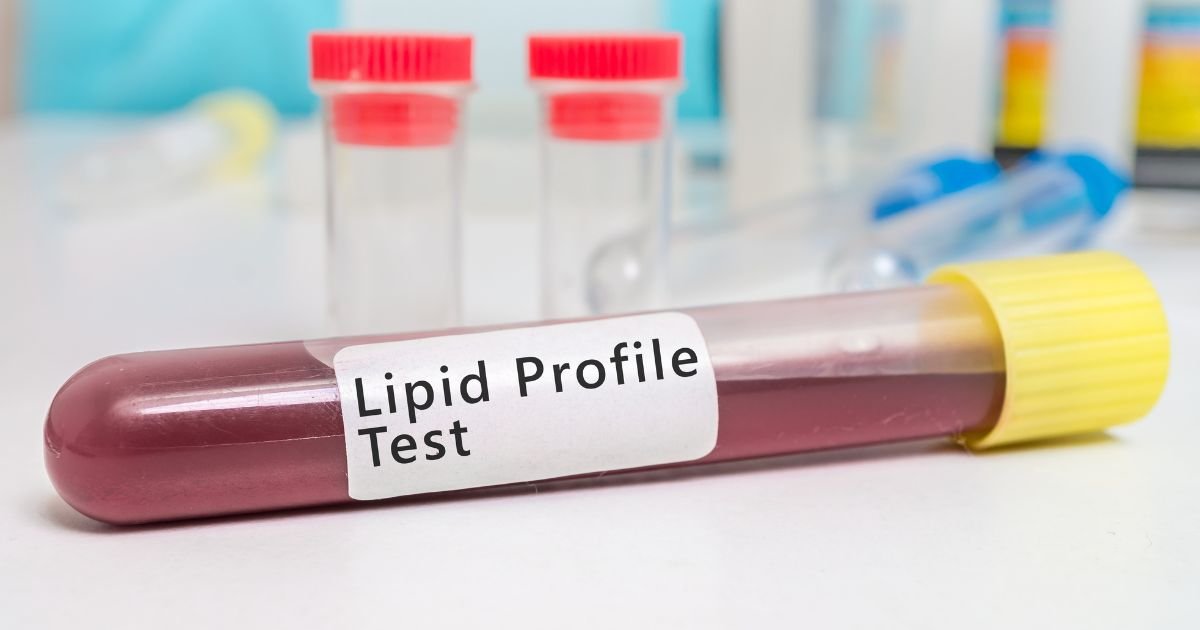
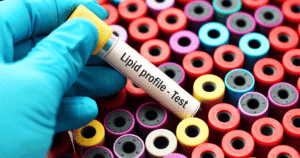
A lipid profile test, which is also called a lipid panel, is a blood test. This test measures the levels of lipid in your blood. The lipid profile test is used to see how healthy your heart is. It also checks if you are at risk for heart disease or if you might have a stroke. The test looks at the levels of fats, such as lipids, in your blood. The lipid profile test is important for checking your health and your risk for heart disease or stroke.
What do the doctors check in your lipid profile test report?
So, here are a few indications of what numbers the doctors will check in your lipid profile test report-
Total Cholesterol:
As you can understand, it is the total amount of LDL, HDL, and triglycerides put together.
Low-Density Lipoprotein (LDL):
This is what we as normal people generally define as cholesterol. However, just keep in mind that it is actually a part of the total cholesterol level, one that is harmful to your health.
High-Density Lipoprotein (HDL):
Guess what, not all parts of cholesterol are bad either. So, which one of your cholesterol levels is good? Well, that is what the doctors define as HDL or high-density lipoprotein.
Triglycerides:
It is that kind of fat that your body uses to get energy. When you eat food, than you need your body needs to save the extra calories as triglycerides. If you have high triglyceride levels, you are more likely to get heart disease. Have problems with your pancreas because of inflammation.
How do you prepare if you are about to have a lipid profile test?
As you can understand, before any kind of health test, you need to know how to prepare for it in advance for a few days. Let us tell you the things you need to note when you are about to have a lipid profile test-
Fasting:
Make sure not to have food for about 8 to 9 hours before. Sometimes it is longer, like 14 hours. When you are fasting, you should not have anything to eat or drink except for water.
Avoid Alcohol:
Have a habit of drinking alcohol? Well, guess what you need to keep this habit aside for at least 24 to 48 hours before you are about to have a lipid profile test. But why? Well, it is because alcohol increases cholesterol levels in your blood within a few hours.
Telling the doctors about your in-use medicines:
There is no doubt that before going through any kind of health test, the doctors are going to ask about any other health issues or about using other medicines. So make sure to describe the doctors in details of such. A good idea would be to carry the prescription and the list of medicines that are in use.
Hydration:
Making sure that your water levels are at a normal range before any kind of blood test is a good idea. This is because it helps the doctors to find a vein really easily.
How is the lipid profile test done- The actual process
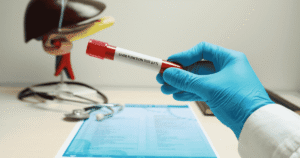
- The Lipid profile test is done by taking a sample of your blood.
- The person taking the blood sample will tie a band around your arm so that the vein becomes big and easy to see.
- Then they will insert a needle into the vein. To take out a small amount of blood.
- This blood sample is then sent to a laboratory where it is tested for the Lipid profile.
How long does it take to get your lipid profile reports?
The Lipid profile test is a test that does not take much time. You can get the results of the Lipid profile test after a few hours or a few days, depending on the laboratory. The results of the Lipid profile test will help you and your doctor to make a plan to keep your lipids at a healthy level.
When do the doctors recommend a lipid profile test?
You should do the Lipid profile test if you are at risk of getting heart disease because high levels of lipids can increase your risk of getting heart disease.
You should also do the Lipid profile test if you have high blood pressure or diabetes because these conditions can also affect the levels of lipids in your blood.
What is a good lipid profile report?
A “good” lipid profile report generally features low levels of “bad” cholesterol (LDL) and triglycerides, paired with high levels of “good” cholesterol (HDL).
Well, here is a standard of a good lipid profile report-
• Total Cholesterol, which should not be more than 200 mg/dL, is usually a good thing. We consider this level of Total Cholesterol to be desirable.
• LDL or Bad Cholesterol: The doctors think it is best when it is less than 100 mg/dL. For people who have some health problems, the doctors want the LDL or Bad Cholesterol to be even lower.
• HDL Cholesterol should be at least 60 mg/dL or higher.
• Triglycerides: Less than 150 mg/dL is typically considered normal. Some medical professionals consider levels below 100 mg/dL to be ideal.
FAQs:
Q: What are good and bad cholesterol?
A: The HDL portion of your total cholesterol is the one that is good for your body, while the LDL and the triglyceride portions are the ones bad for your health.
Q: What is the normal range for cholesterol?
A: If you are talking about the total cholesterol level, then it should not be more than 200 mg per dl.
Q: Can cholesterol be controlled with lifestyle changes?
A: Of course, you need a mix of a good diet, exercise, a healthy cooking oil, and meditation to start with.
Q: What does the lipid profile test include?
A: The Lipid profile test has to measure different things like total cholesterol, HDL, LDL and triglyceride levels.
Q: Do I need to fast before a lipid test?
A: Yes, usually some hours, around 8 to 10 hours of fasting is generally recommended from the doctors.
About author

Add comment