

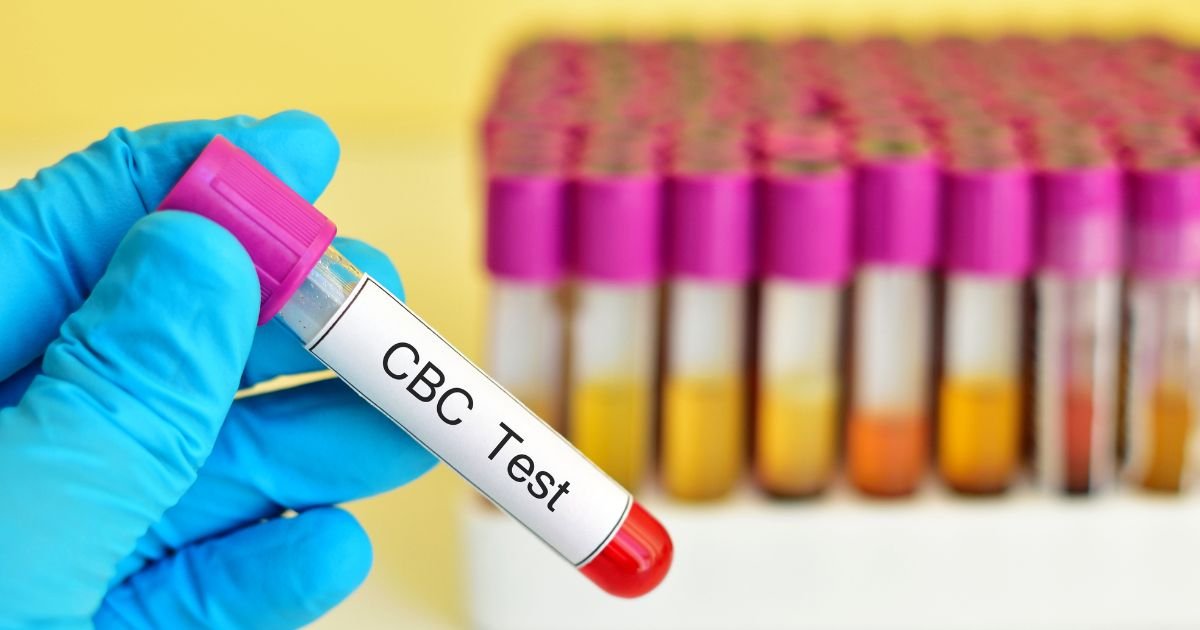
Complete Blood Count (CBC): Purpose, Process, and Normal Range
Complete Blood Count (CBC)- A brief idea
A Complete Blood Count (CBC), which is also called a blood count, is a very common test that doctors use. This test checks the health of a patient by looking at the amount and physical characteristics of the three types of cells in the blood the Complete Blood Count checks these cells. The Complete Blood Count is really good at giving doctors an idea of the health of a patient.
Why do the doctors recommend a CBC test?
CBC test purpose can vary depending on what the doctors detect early signs of. It also depends on other things, such as your age and health. However, people generally do this test for-
• For people who really care about their health and want to stay on top of things, routine health screening is an idea.
• To diagnose symptoms like fatigue, weakness, fever, bruising, or dizziness.
• To keep track of the health of the patient if the patient is suffering from anemia, leukemia, or chronic kidney disease.
• During other ongoing treatments, such as chemotherapy, to keep your RBC and platelet count in check.
• Before surgery, doctors order a Complete Blood Count to check for any kind of blood infections or Complete Blood Count problems with the blood, like blood clots that the patient may not know about.
What does a CBC test measure exactly?
The test usually looks at a lot of things, like several distinct parameters, and the test is trying to measure these distinct parameters.
Count of several parameters like
• Red Blood Cells (RBCs)
• Hemoglobin (Hb)
• Hematocrit (Hct)
• Platelets
• White Blood Cells (WBCs):
RBC Indices:
Metrics like-
- MCV (average cell size)
- MCH/MCHC (hemoglobin concentration)
WBC Differential:
It tells us the number of five types of white blood cells-
- Neutrophils
- Lymphocytes
- Monocytes
- Eosinophils
- basophils.
How to know that you need to have a CBC test?
You should undergo a Complete Blood Count (CBC) test if you are experiencing new, unexplained symptoms like-
• Fatigue
• Weakness
• Sudden weight loss
• Night sweats
• Fever
• Recurring infections that do n ot cure even after using antivirals or antibiotics
• Sudden bruises on the skin
• Signs of skin infections
• Feeling out of breath
• .Palpitations
1. What diseases are diagnosed with the help of CBC?
A CBC count is not just a count of the blood cells, but way more than that. Usually, it can detect a few health issues in the patient.
• Anemia: if you have a low RBC count
• Leukemia and Lymphoma: WBC count is either abnormally high or low.
• Thalassemia and Sickle Cell Disease: here, the RBCs have an unusual test, which is detected using the MCV.
• Polycythemia Vera: indicated by a high RBC count.
2. Infections and Immune System Issues
• Bacterial Infections: A huge rise in WBC count, especially those of neutrophils.
• Viral Infections: usually the lymphocytes count will be high in such cases.
• Allergies or Parasitic Infections: an indication of high eosinophils.
• Autoimmune Diseases: often patients with lupus or rheumatoid arthritis have low RBC count.
3. Clotting and Bleeding Risks
• Thrombocytopenia: if you have a low platelet count.
• Thrombocytosis: a rare case of having high platelets, which can cause bone marrow disorders.
4. Systemic Health and Nutritional Status
The CBC can provide indirect clues about other organs and your diet:
• Nutritional Deficiencies: People with low RBC count or low hemoglobin can have a deficiency of vitamins, iron, and folates.
• Dehydration can happen when your blood has many red blood cells, which are also called RBC levels or a high hematocrit.
• Chronic Diseases are a problem. They are long-term issues, like Kidney Disease, Heart Disease or Liver Disease.
Preparations before the CBC test
Preparing for a Complete Blood Count (CBC) is straightforward, as it typically requires very little deviation from your normal routine. Let us give you an idea about the CBC test process–
1. Dietary & Fasting Guidelines
• Usually, you do not have to fast before a Complete Blood Count test. You can. Drink like you normally do before a Complete Blood Count test.
• Drink enough water that helps to spot veins easily.
2. Medication & Supplements
Tell the doctors if you are using supplements for-
- vitamins
- herbal supplements
Tell if you are using medicines like-
- Aspirin
- Antibiotics
- Iron supplements
Continue your regular medications unless your doctor explicitly tells you to stop them for the test.
3. Lifestyle Adjustments
• Do not do vigorous exercises at least 24 hours before doing the test.
• If you are into addictions, try not to take alcohol, narcotic drugs, or smoke for at least 24 hours before.
• Avoid falling for stress or anxiety just before the test, as it can alter hormonal levels that change CBC count.
4. On the Day of the Test
• wear loose clothing
• Arrive a few minutes before your test
Get Well Labs for CBC test
Choosing Get Well Path Lab for your CBC test offers several practical benefits, ranging from affordability to clinical reliability:
• Prices You Can Afford
• The lab is a trustworthy place. It has a certificate from NABL and ISO
• This service is really helpful because they come to your home to collect samples for free.
• When the doctors get the blood sample, they usually give us the results of the Complete Blood Count within 6 to 12 hours.
• You can get your health reports on your phone or computer. They are sent to you through WhatsApp and email.
• We have packages like the “Get Well Basic Panel” that include a lot of tests. These tests are for your blood and also for your liver, kidneys, and thyroid. This way, you get an idea of your overall health with the Comprehensive Packages.
Visit our website, Get Well Path Lab and book a test for sample collection right at your home today.

About author



Add comment